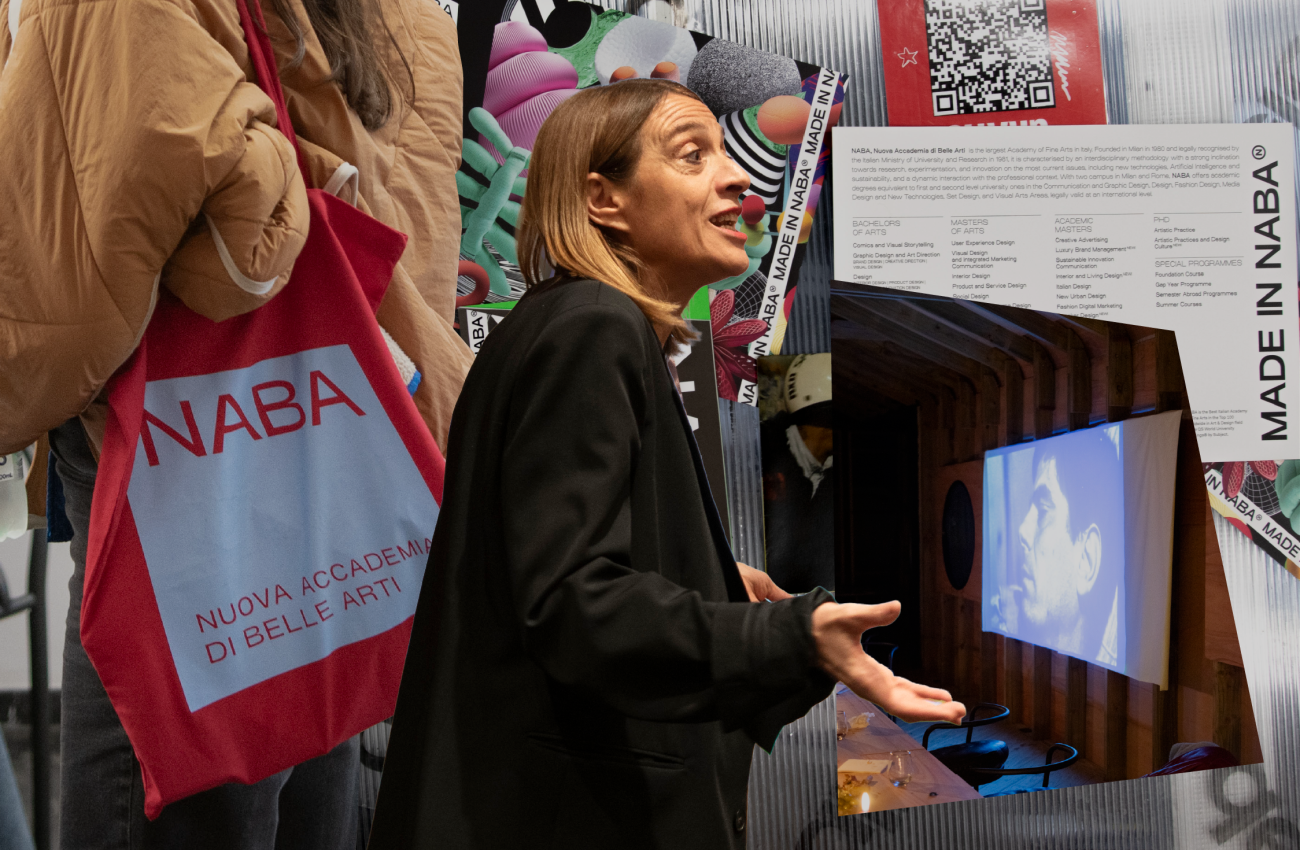
NABA takes over LATAM
Four days, three cities, and one question: how far can cinema go when it pushes beyond its own boundaries?
Some journeys are measured in miles; others, in the ideas they set in motion. Marianna Schivardi’s visit to Latin America was a little bit of both.
As Director of the Cinema and Animation area at Nuova Accademia di Belle Arti (NABA) in Milan, Schivardi arrived in the Río de la Plata region to explore the intersections between cinema, contemporary art, archives, and new audiovisual narratives. Over four days of masterclasses, workshops, and conversations, Punta del Este, Montevideo, and Buenos Aires became the setting for a journey that invited audiences to look at images from a different perspective.
Because, after all, what happens when cinema becomes more than just cinema?
Punta del Este: starting with a different perspective
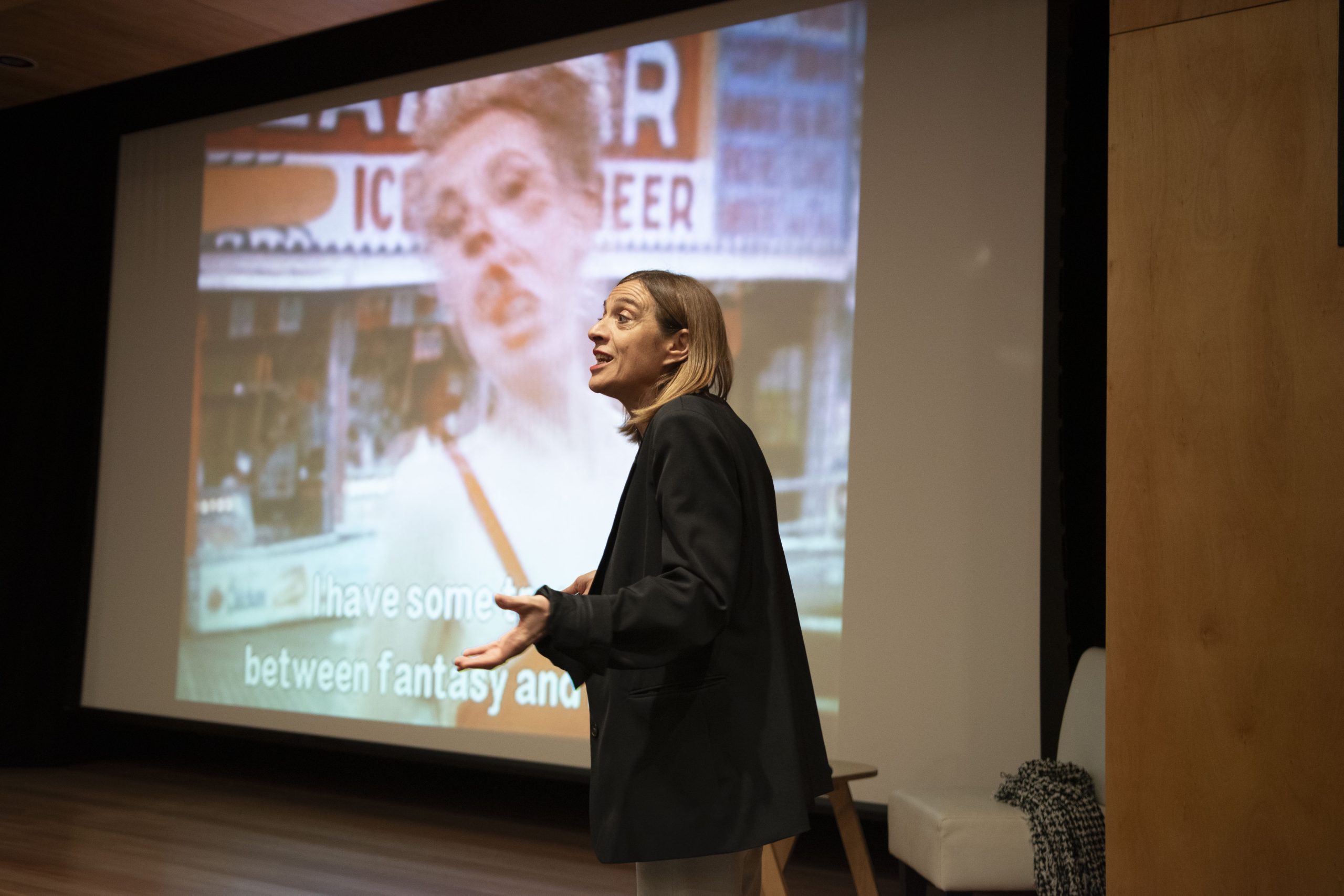
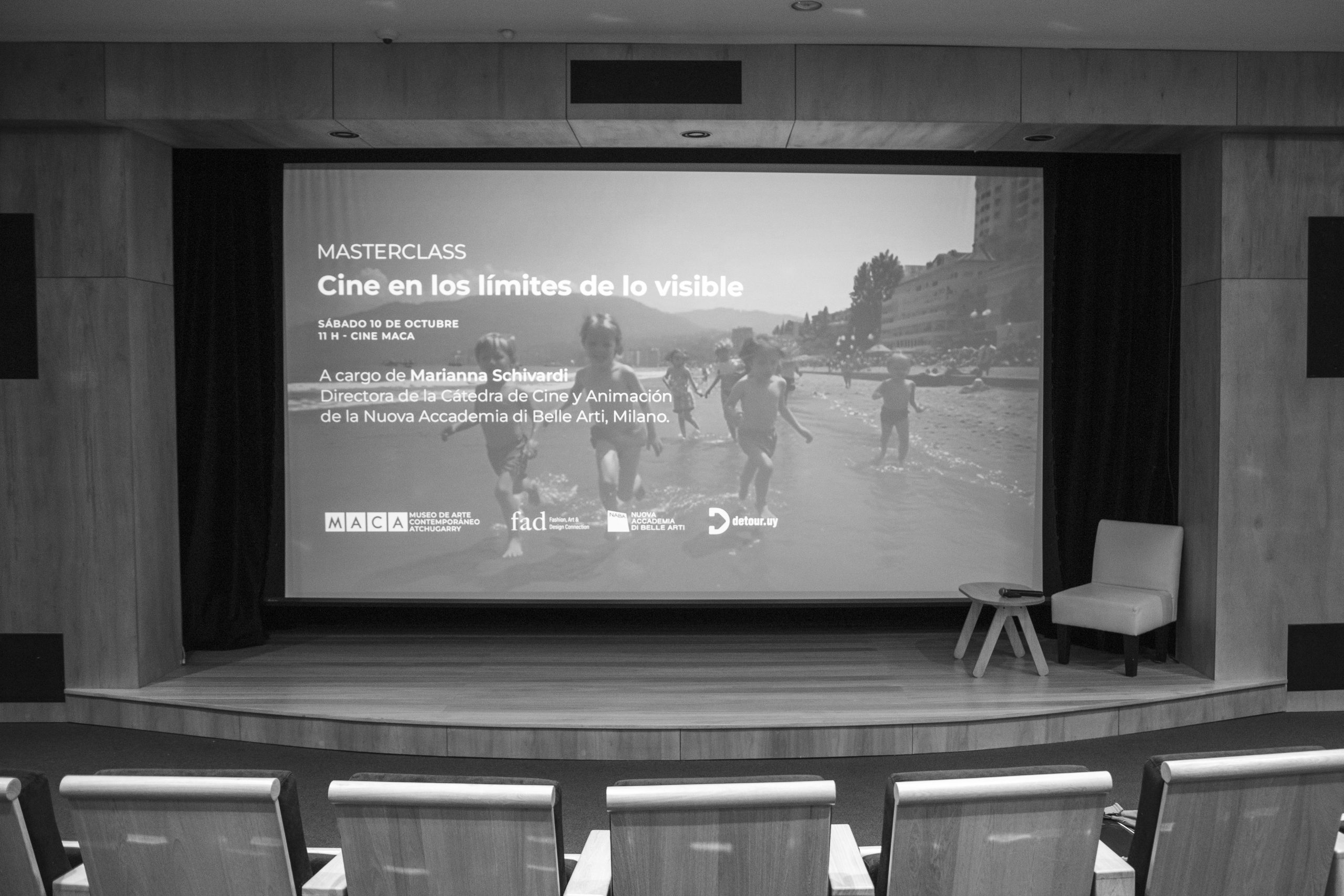
On Saturday, the tour kicked off at MACA — Museo de Arte Contemporáneo Atchugarry — a setting where art and landscape already offer a particular way of engaging with images. There, the first masterclass opened up a dialogue with the audience and set the tone for a program that would bring together different spaces and creative communities.
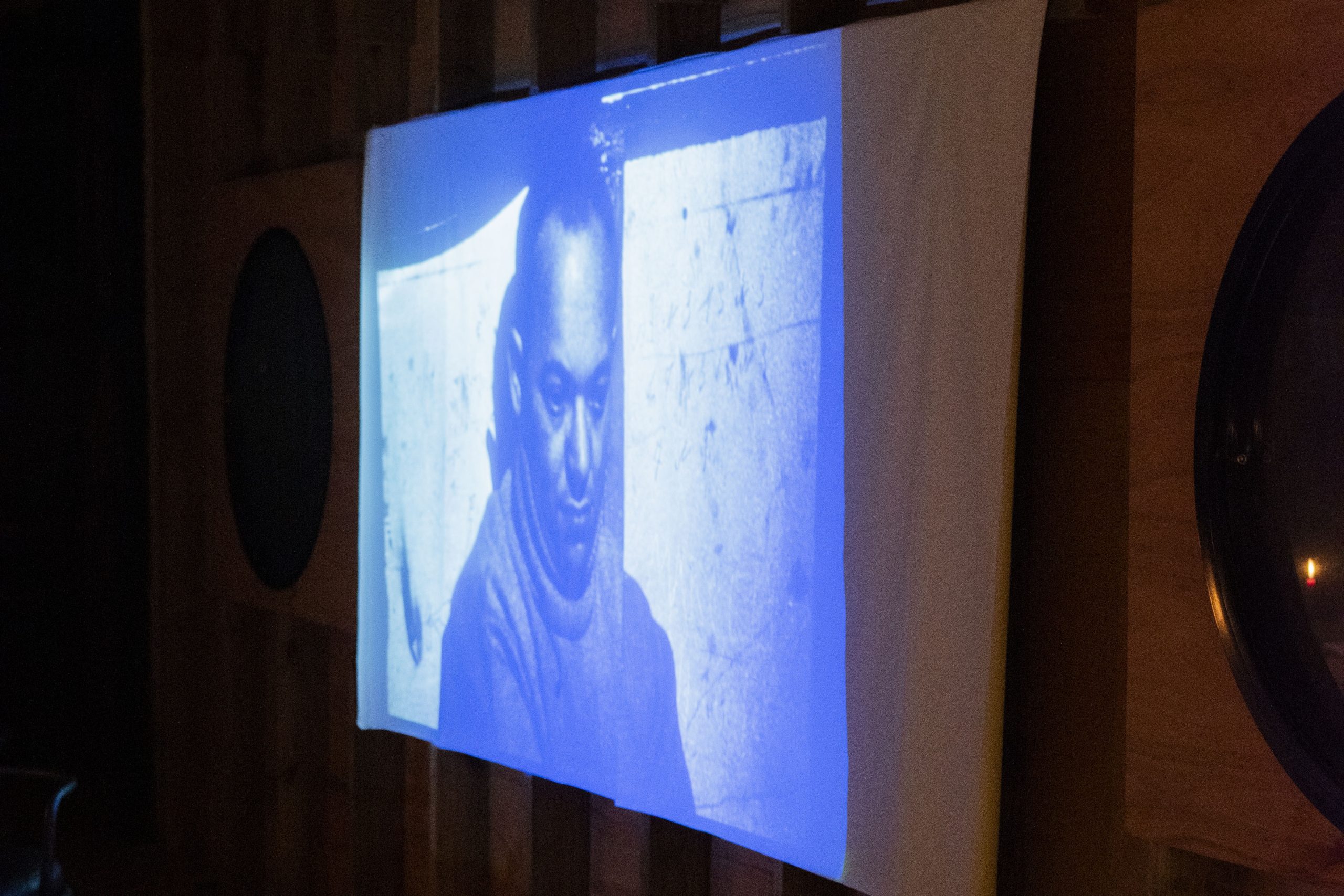
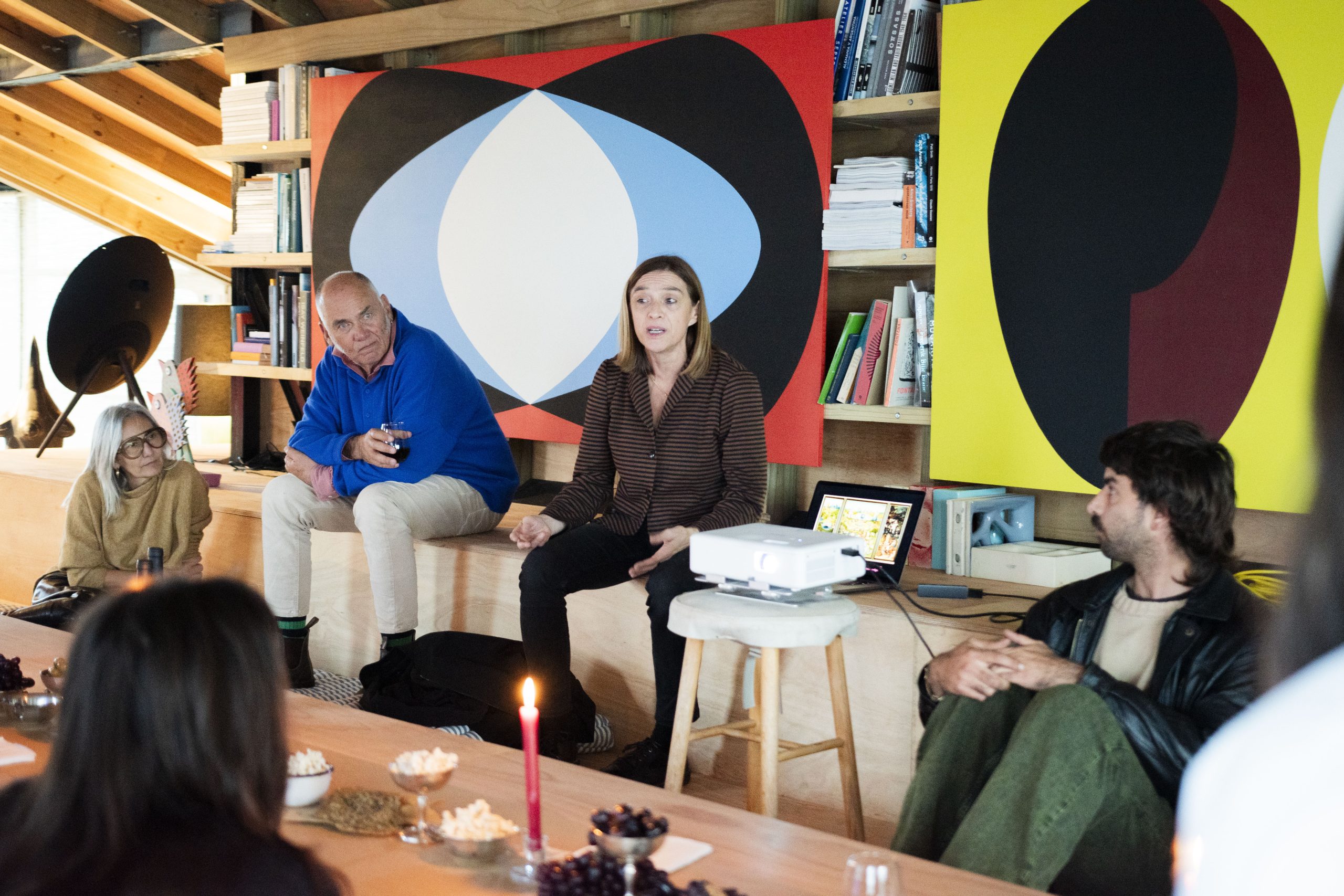
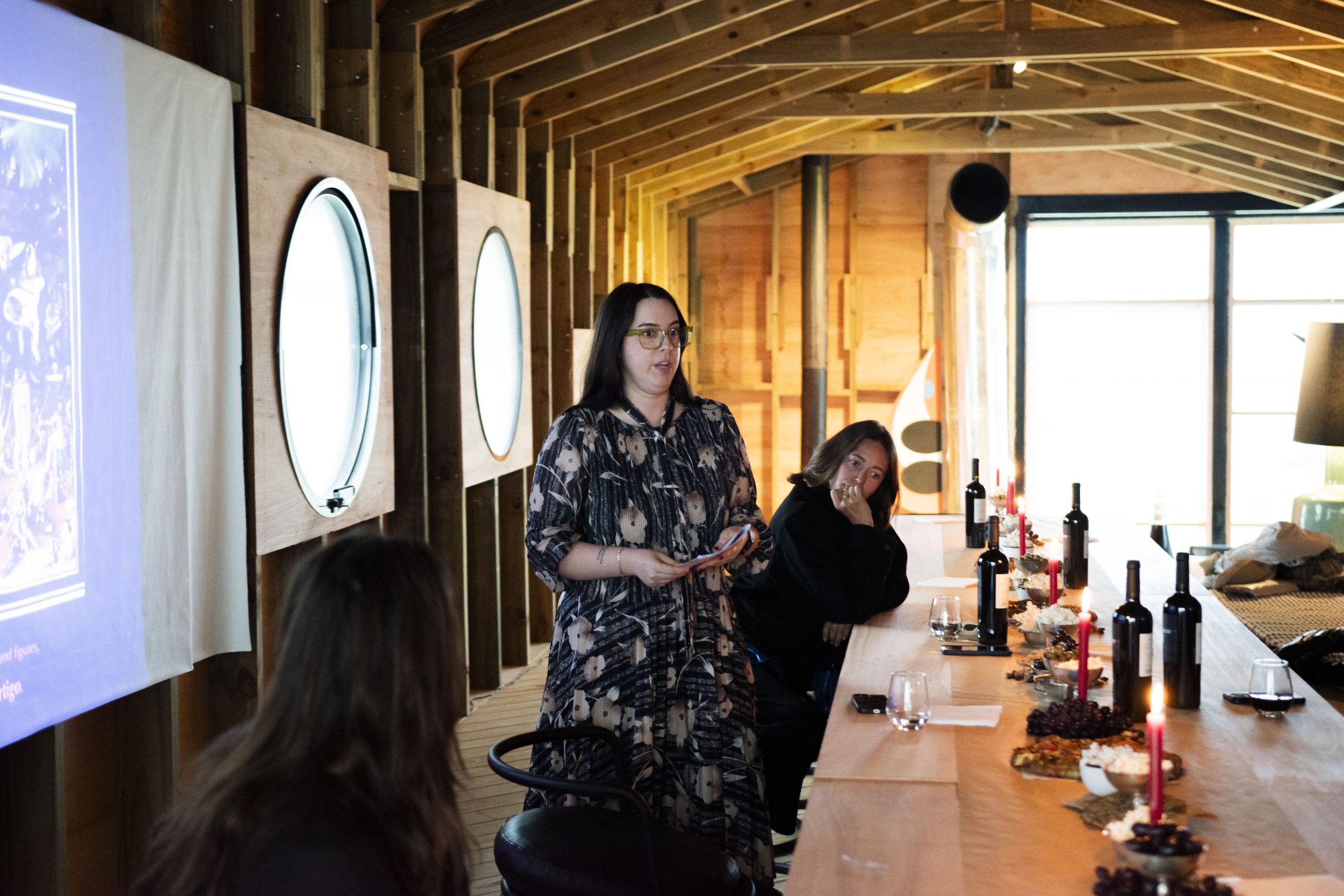
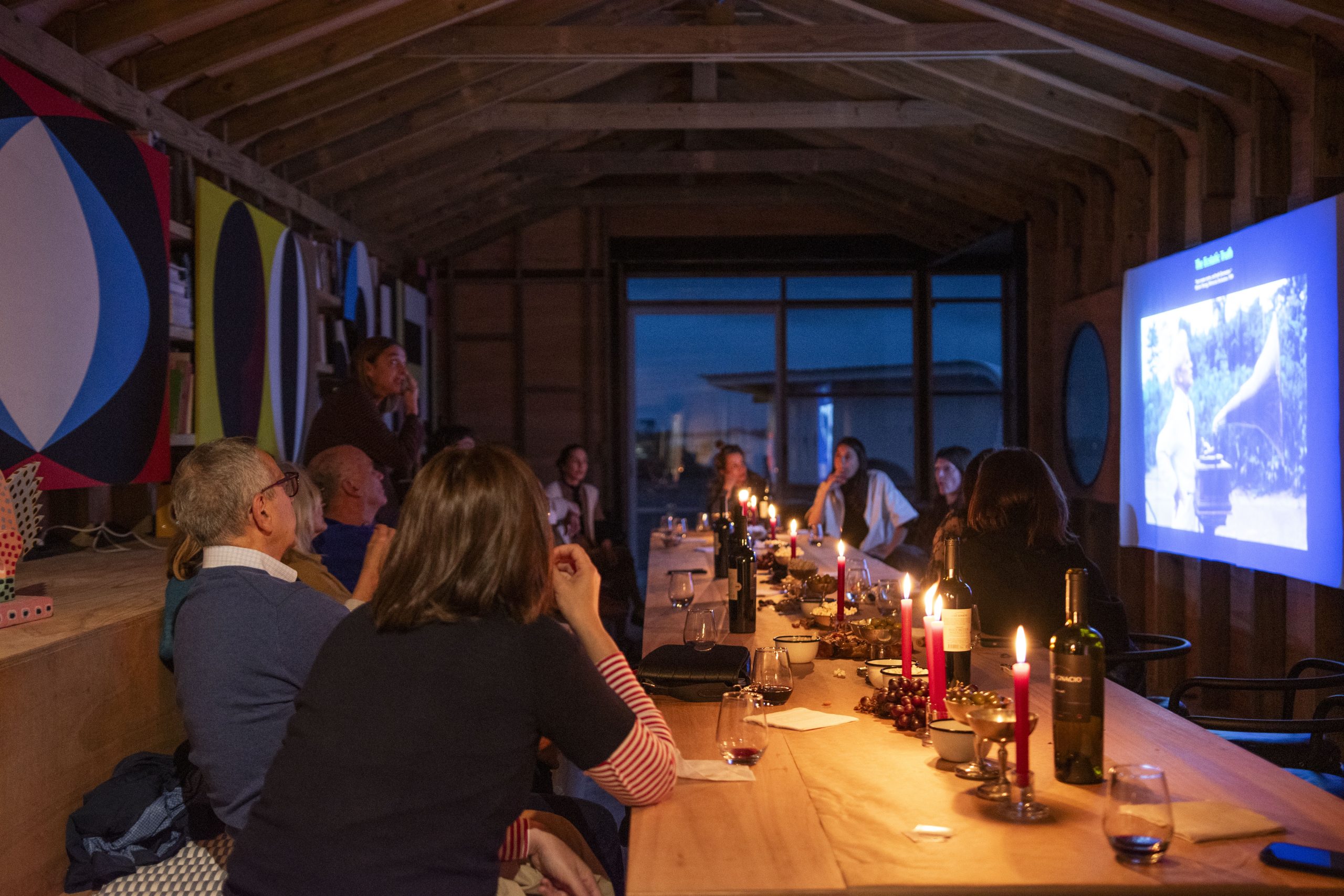
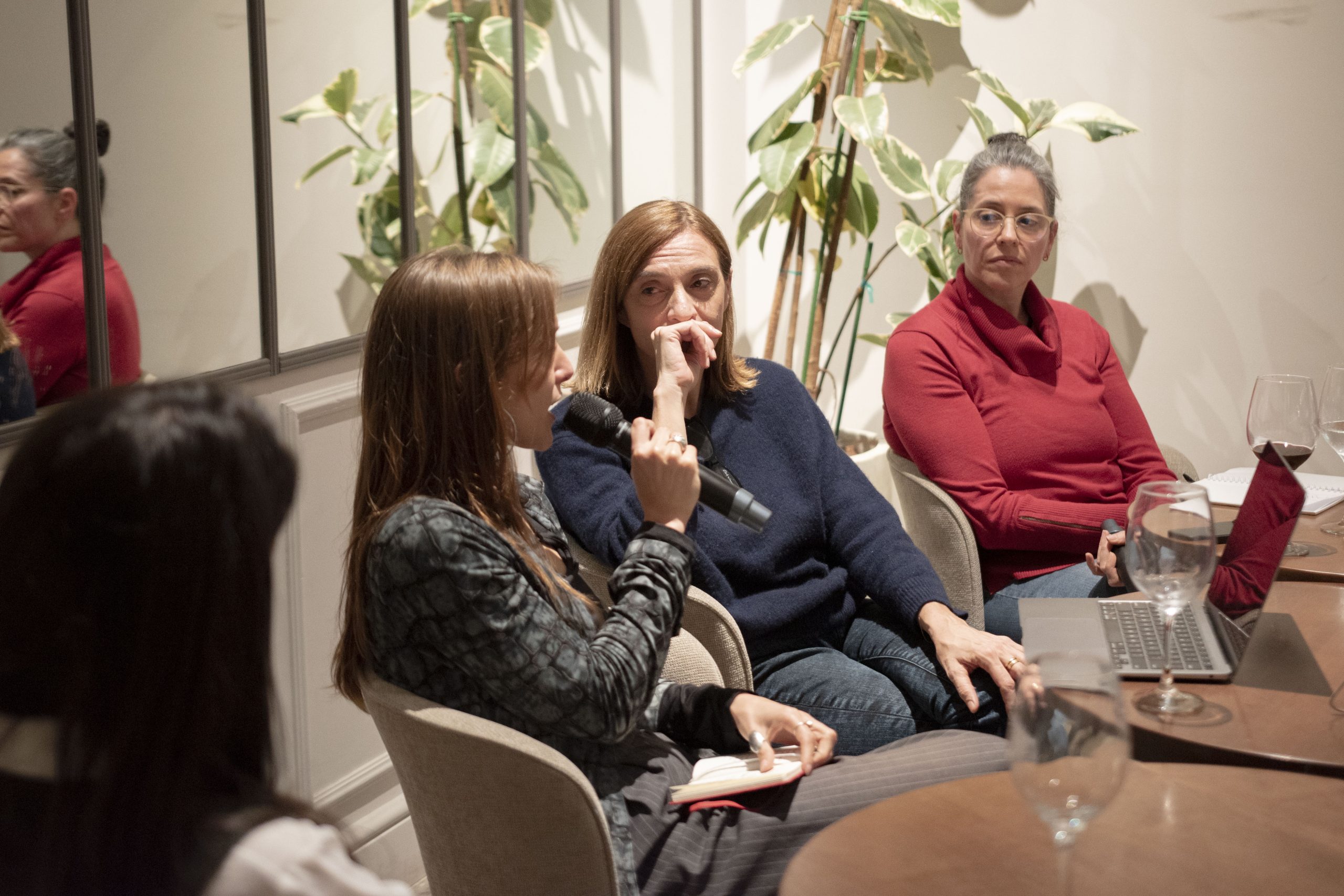
In the afternoon, the conversation moved to Galpón El Pepe, architect Diego Montero’s studio. Here, Schivardi took part in a discussion moderated by Sofía Lust, a journalist specializing in cinema. The goal was to take questions about audiovisual language beyond the classroom and open them up to exchange: how are stories constructed? What possibilities do images hold? And where can new forms of storytelling emerge?
The day came to a close around the table, with a banquet accompanied by Bodega José Ignacio. It was a chance to connect in a different setting, where conversations continue long after the formal program ends. After all, some of the most interesting connections happen precisely there.
Montevideo: from the classroom to the archive
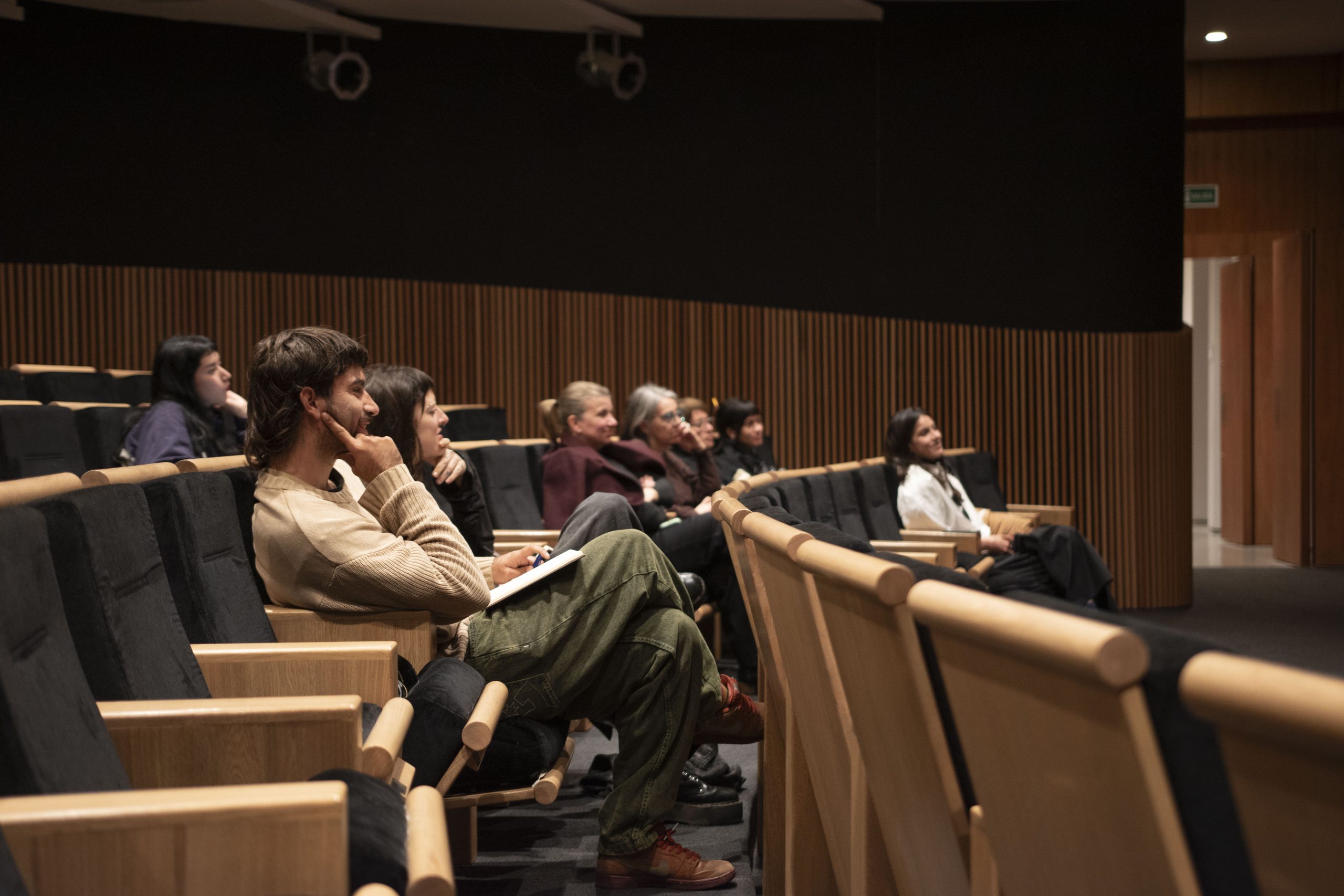
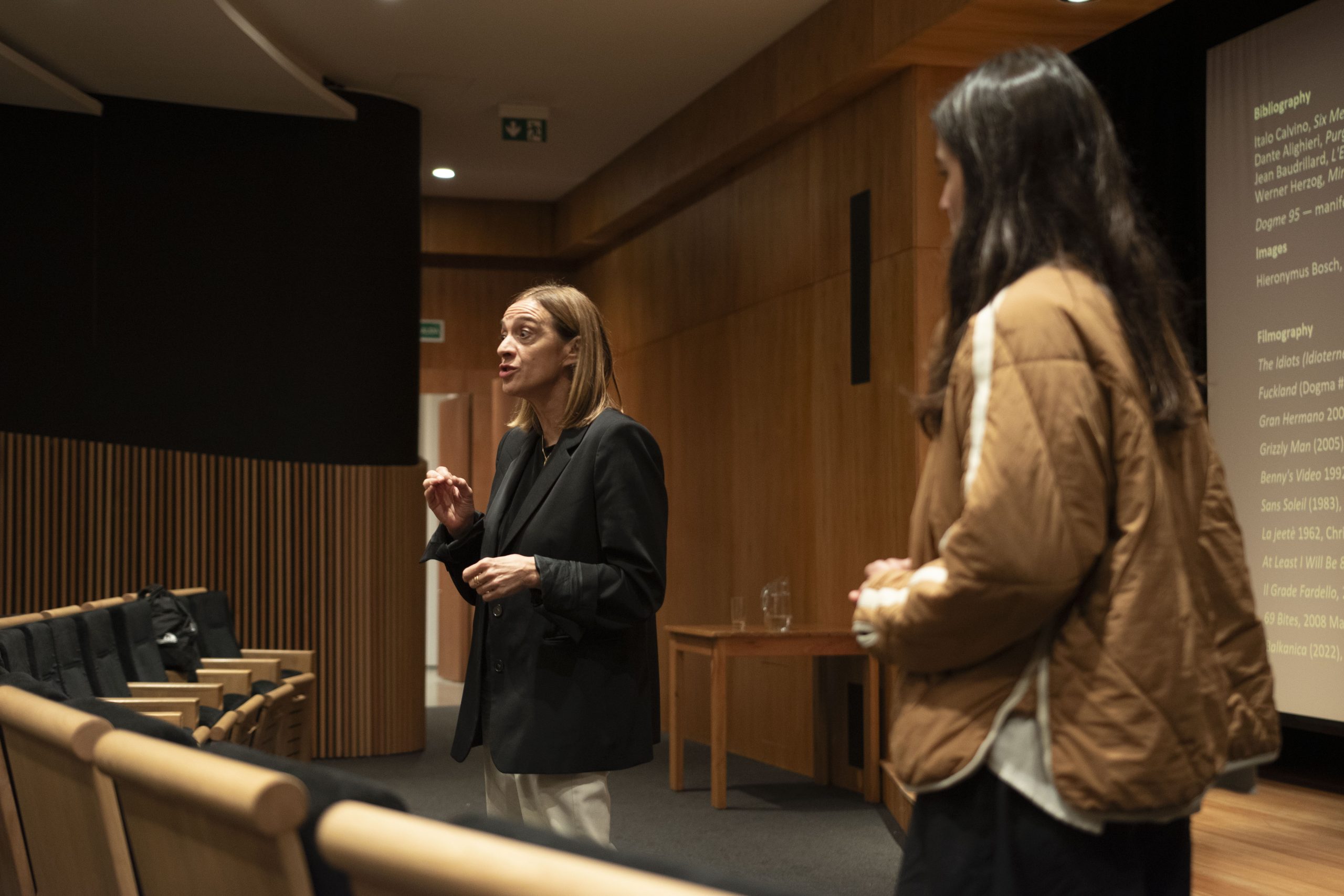
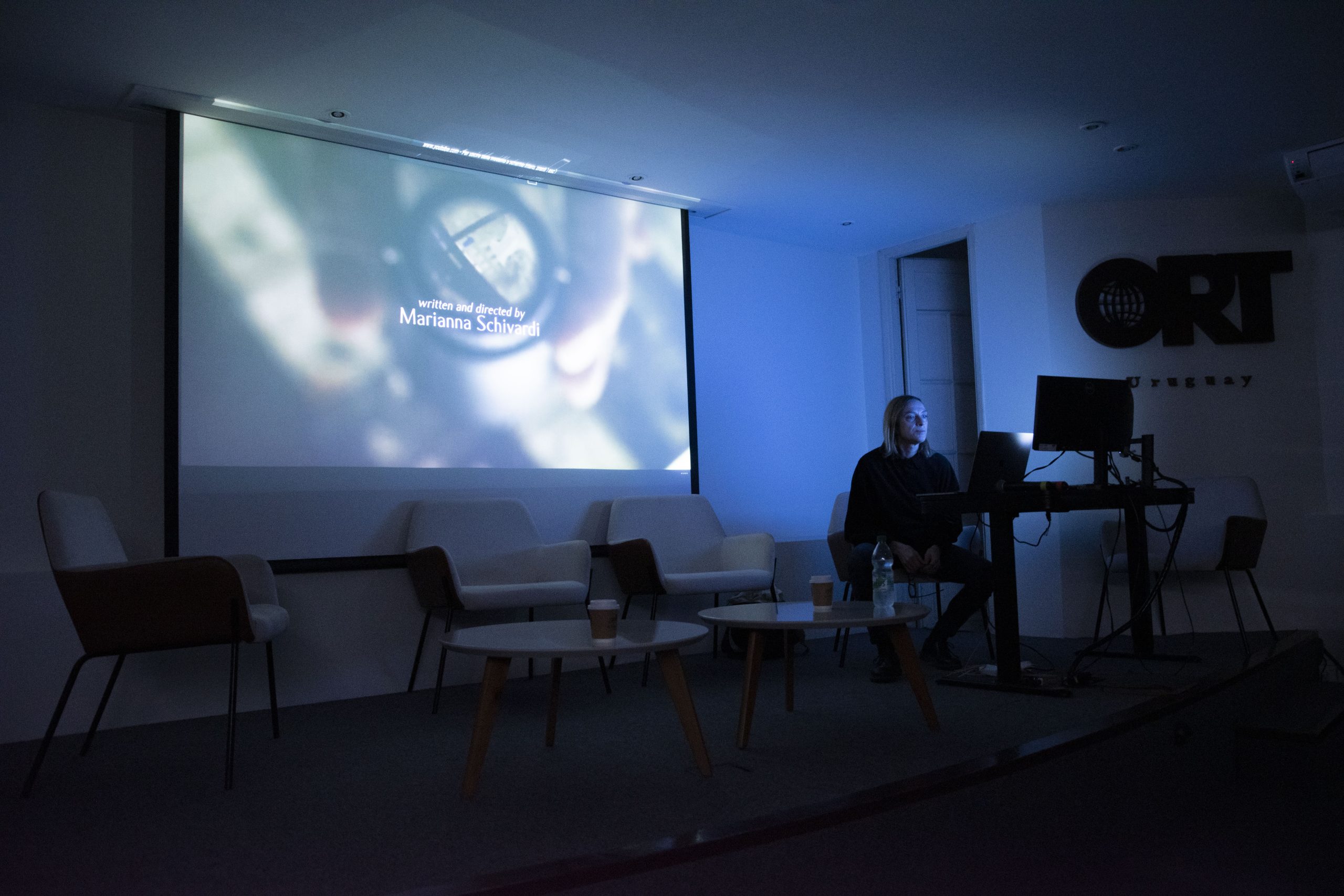
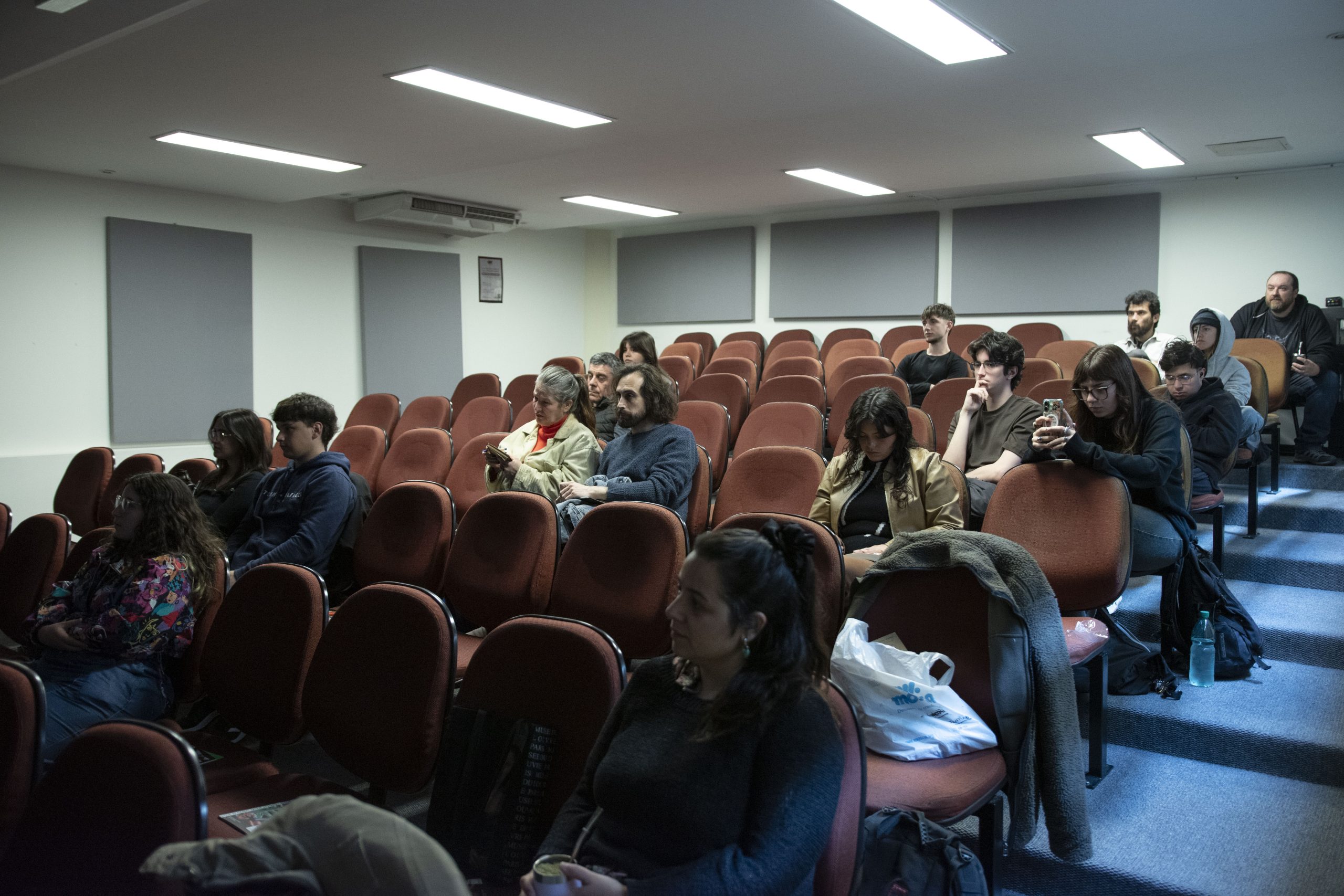
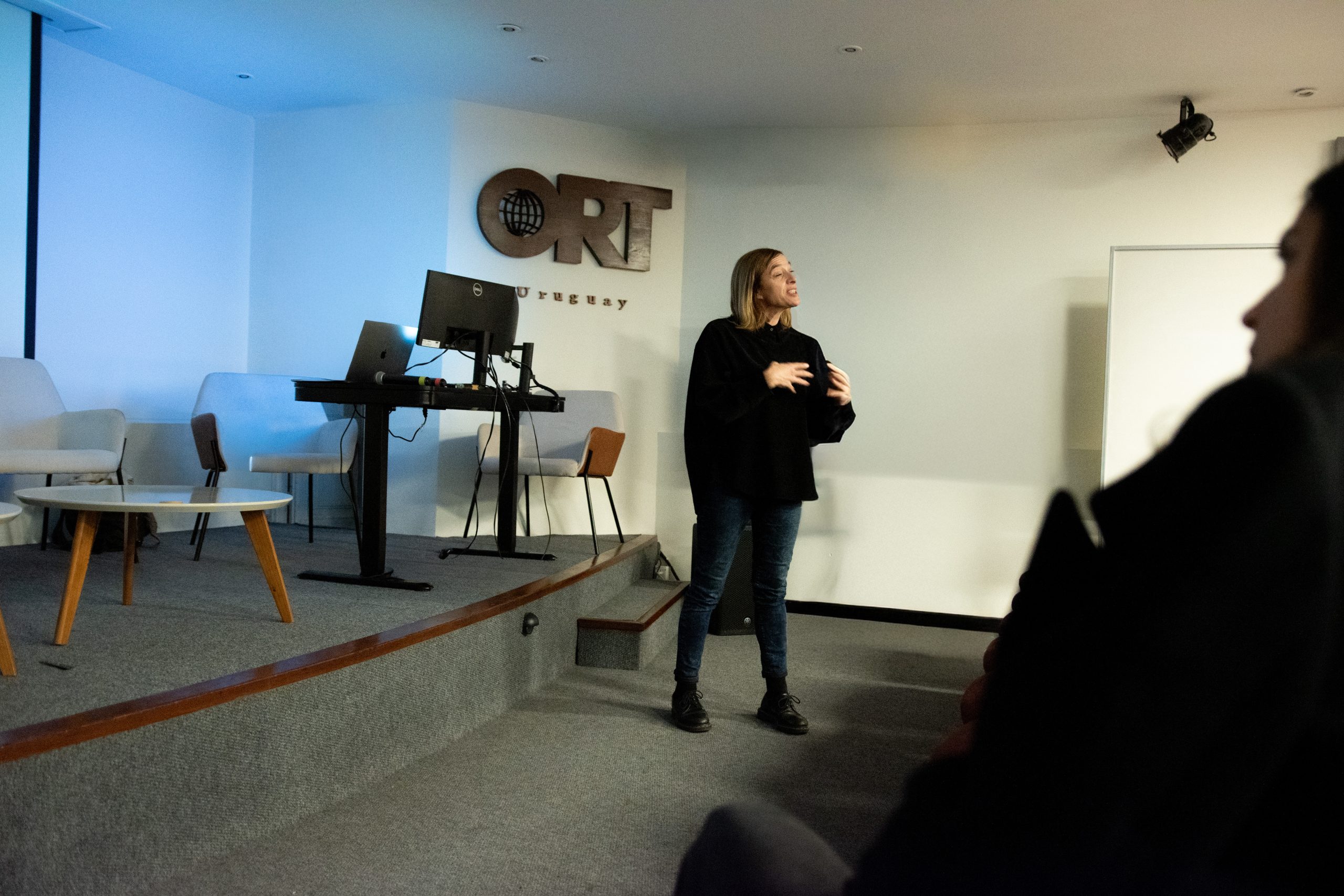
On Monday, the tour continued in Montevideo as part of DETOUR, the New Cinema Festival. The first stop was Universidad ORT Uruguay, where Schivardi led a masterclass for students and a community engaged in communication and audiovisual creation.
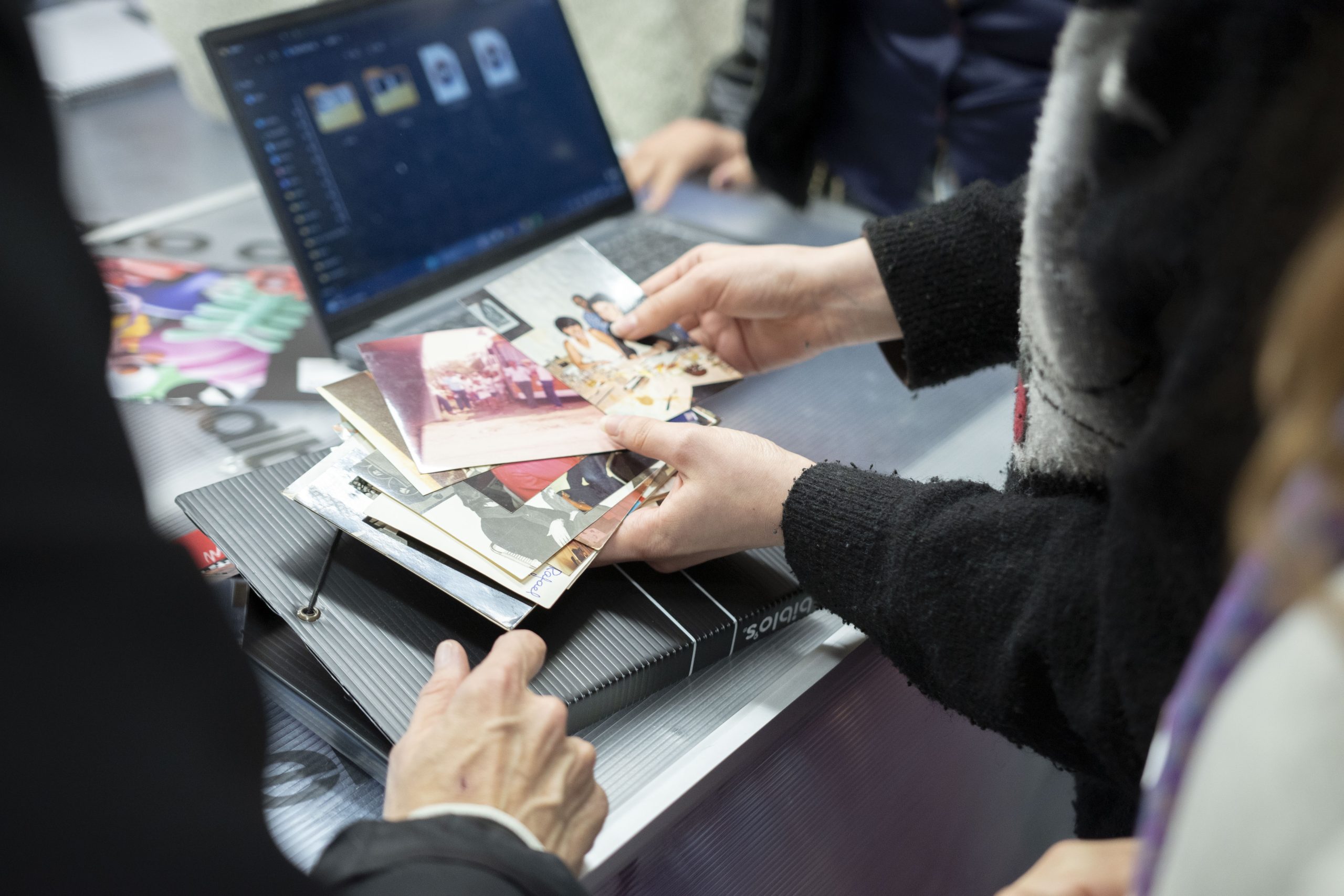
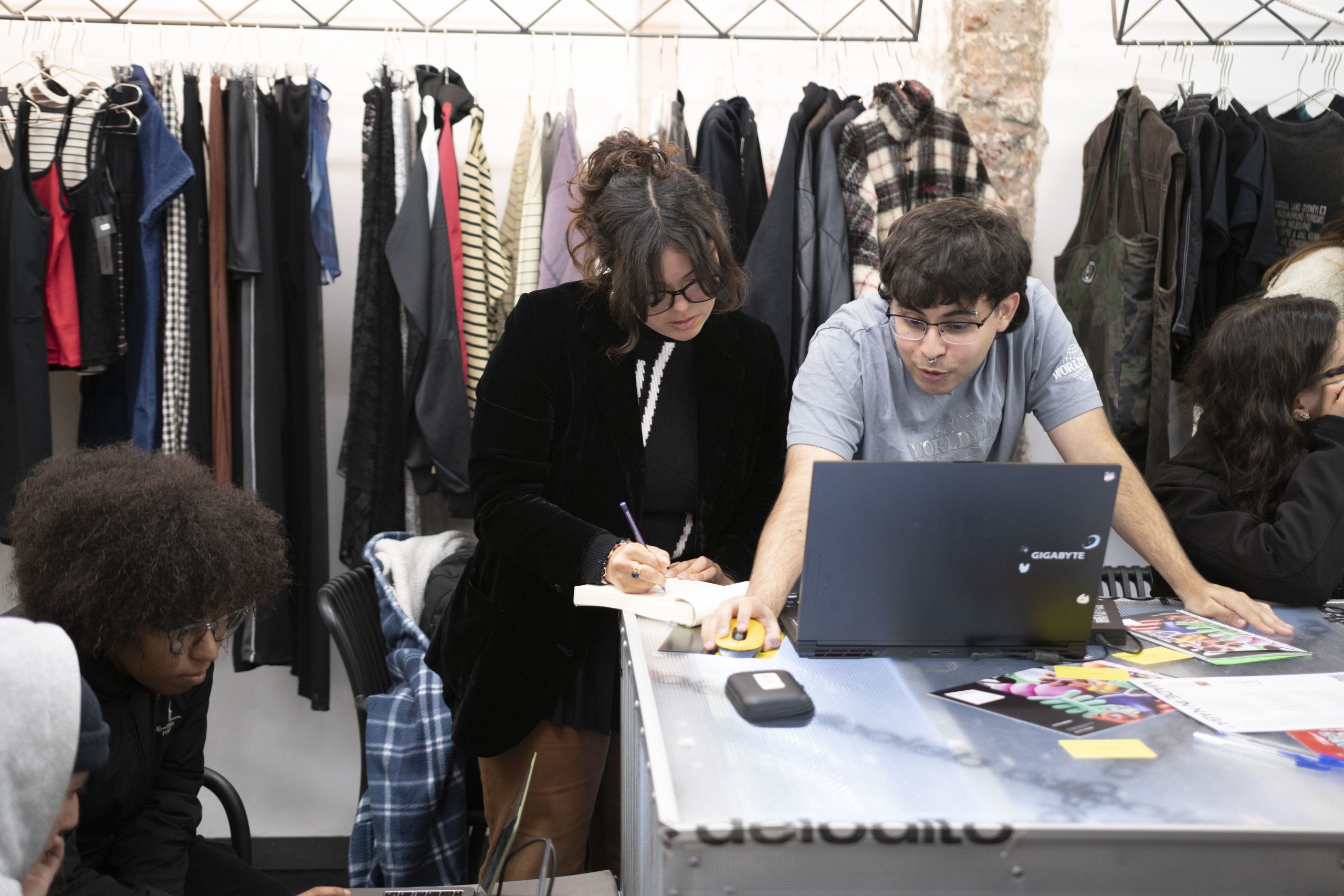
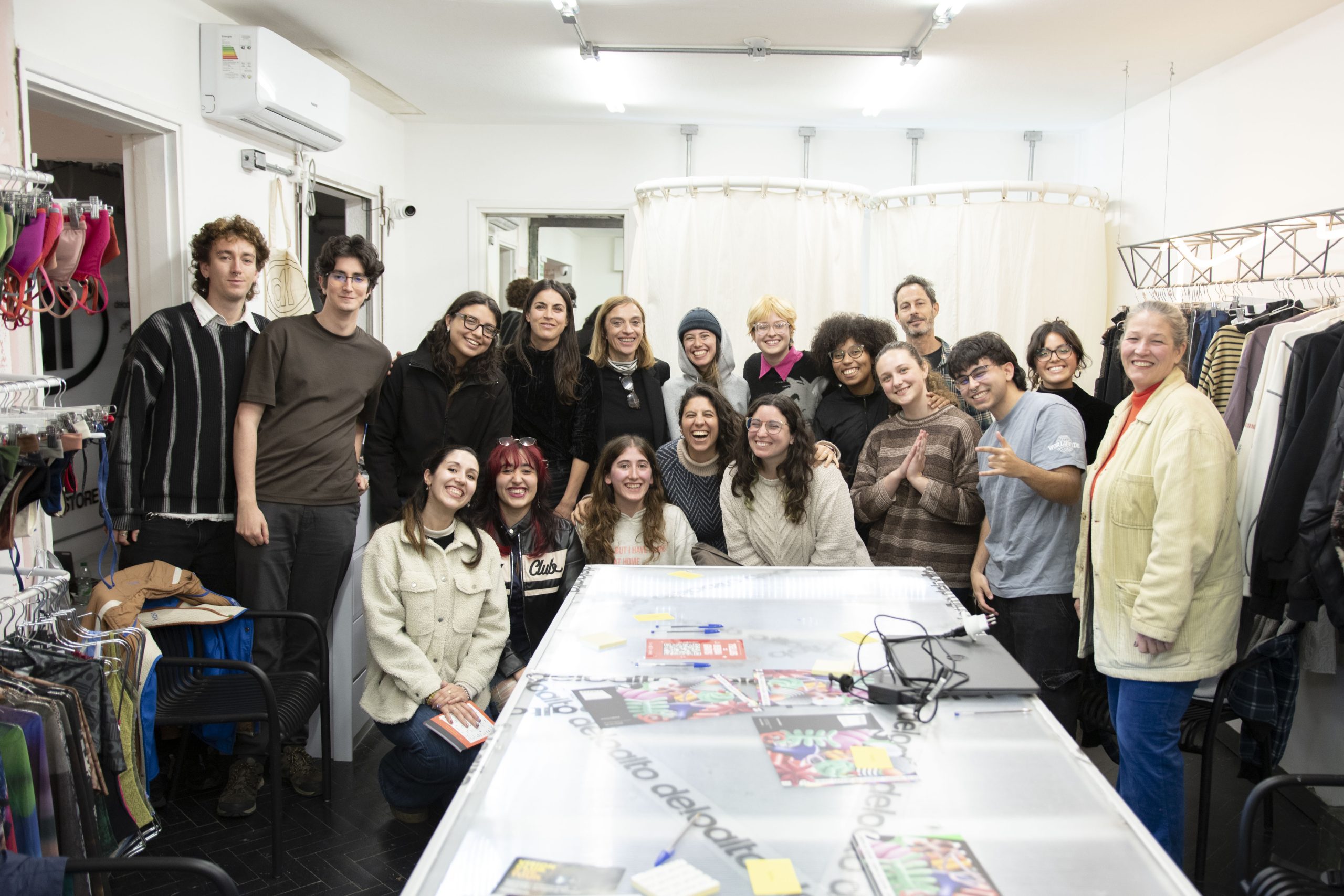
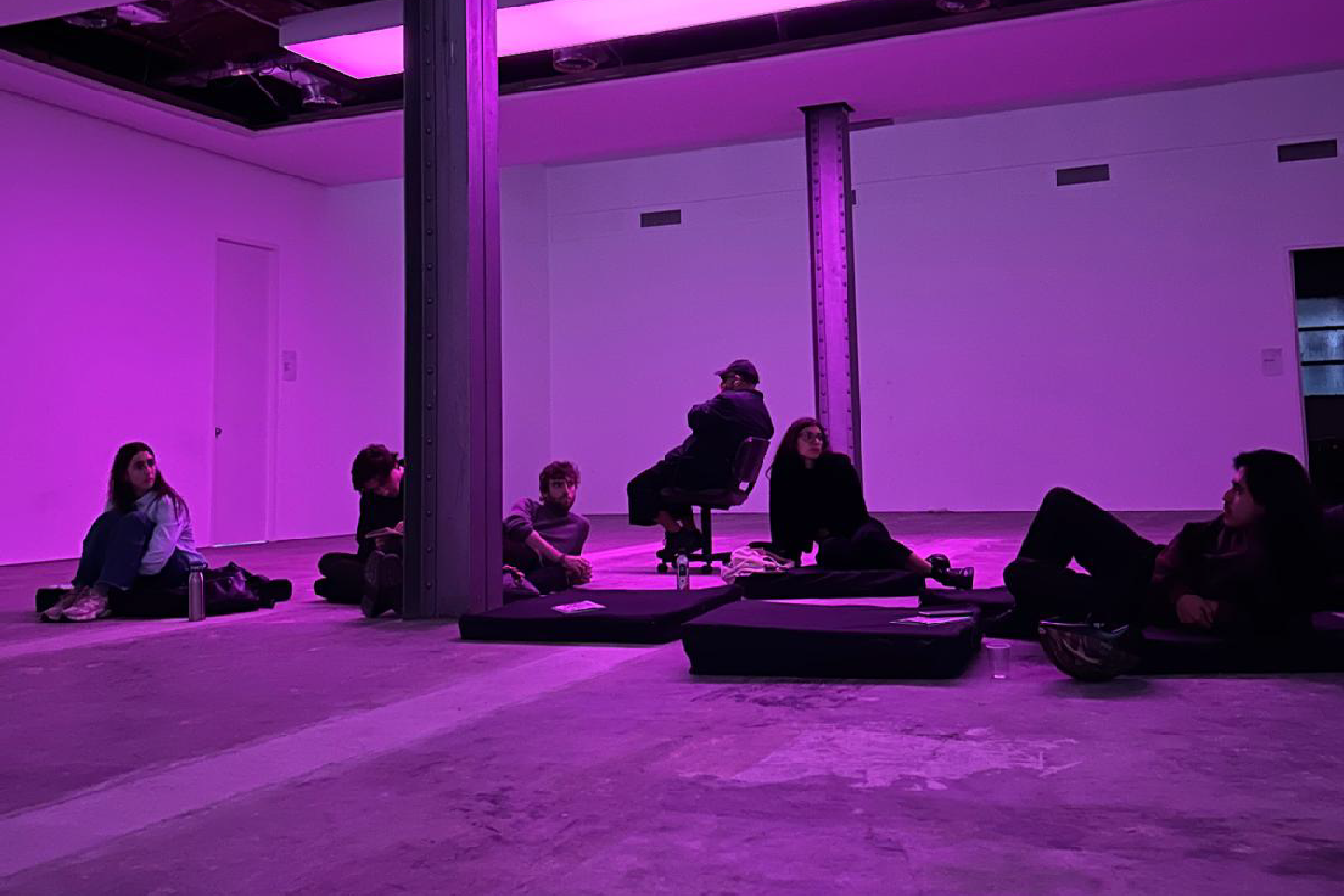
In the afternoon, the format shifted. At Dulce de Leche, the space by De Lo Alto, a workshop explored the narrative possibilities of images and sound. Through archival material, sequencing, and editing, participants were invited to experiment with existing materials and create new meanings. Because an image never tells just one story: everything depends on how we place it in relation to others.
On Tuesday, the program continued at Centro IGNIS, Universidad Católica del Uruguay, where Schivardi recorded a masterclass that will bring her perspective on cinema and audiovisual creation to new audiences beyond the in-person events of the tour.
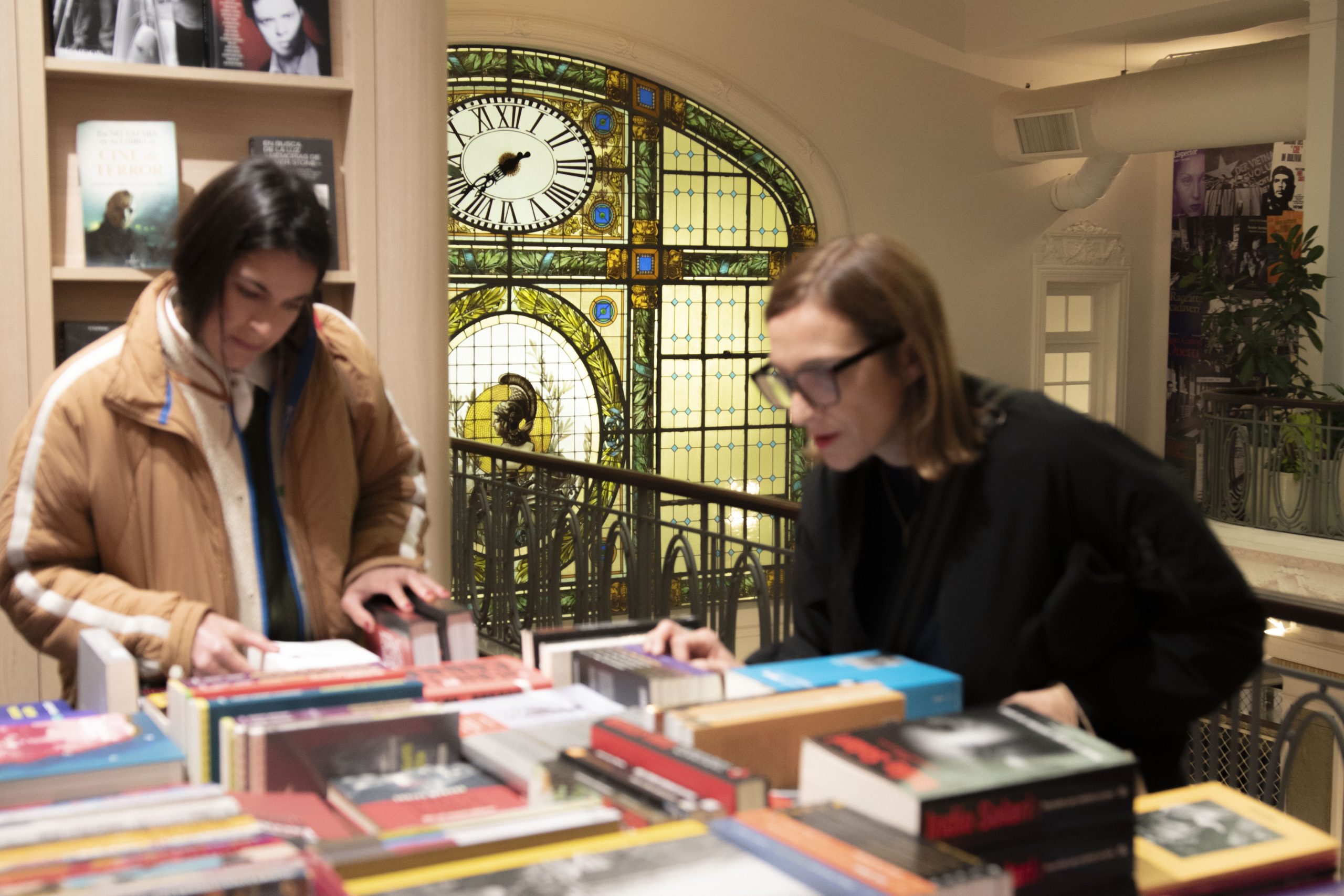
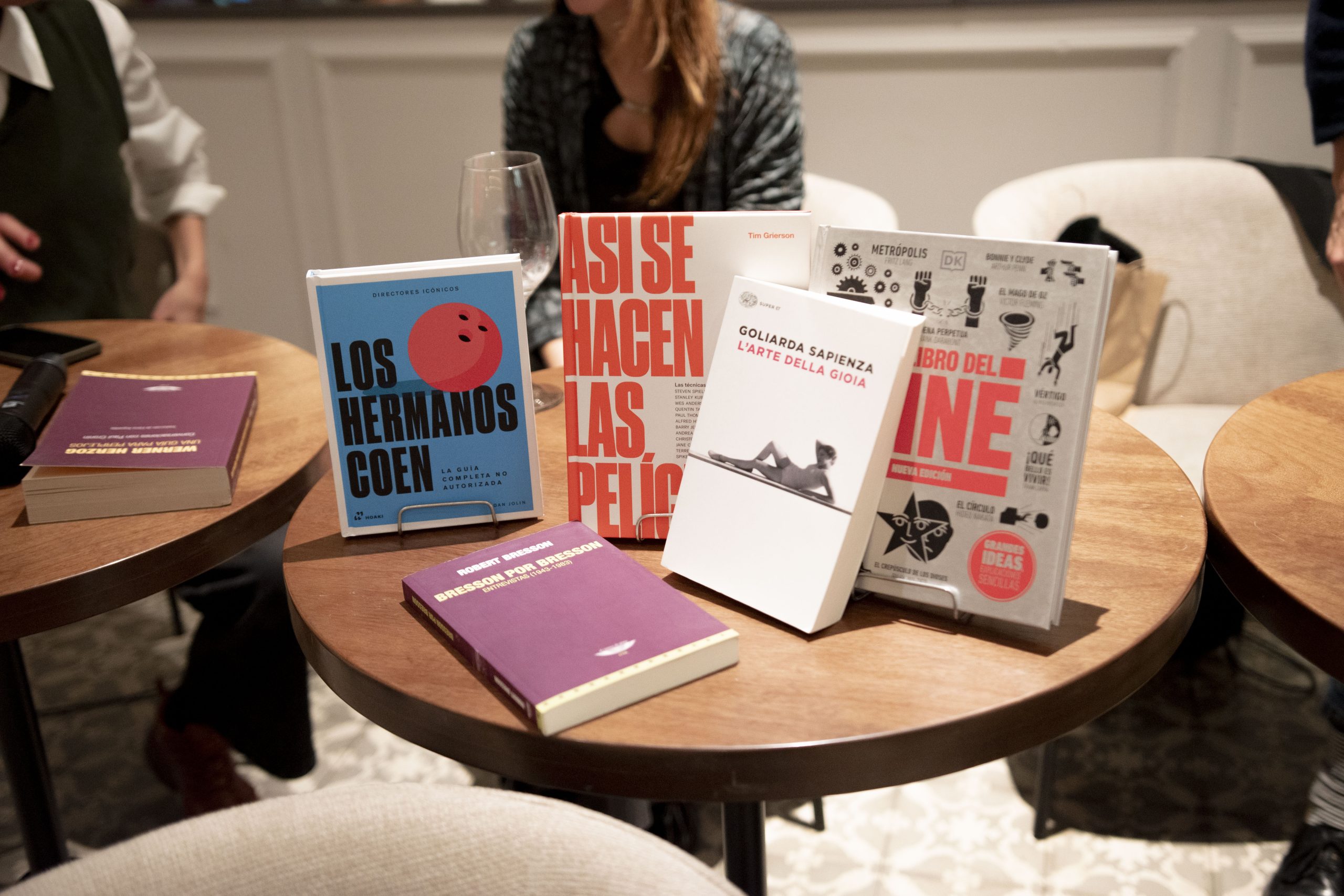
Later that day, the meeting point was Feltrinelli bookstore. There, Uruguayan photographer and director Mercedes Cosco moderated a conversation with Schivardi, bringing a local perspective to the dialogue around cinema, photography, and contemporary creative practices. Among books, shared experiences, and open questions, the conversation took on a different rhythm: fewer definitive answers, more room to think out loud.
Buenos Aires: new scenes, new perspectives
On Wednesday, the tour crossed the Río de la Plata and arrived in Buenos Aires. In the afternoon, Azotea hosted a conversation between Schivardi and Manuel Quaranta, who moderated the discussion.
Away from the traditional classroom format, the gathering created space to exchange perspectives on contemporary cinema and its intersections with other disciplines. It was another opportunity to bring different experiences and creative approaches into dialogue, and to discover how much creative communities working in different contexts can have in common.
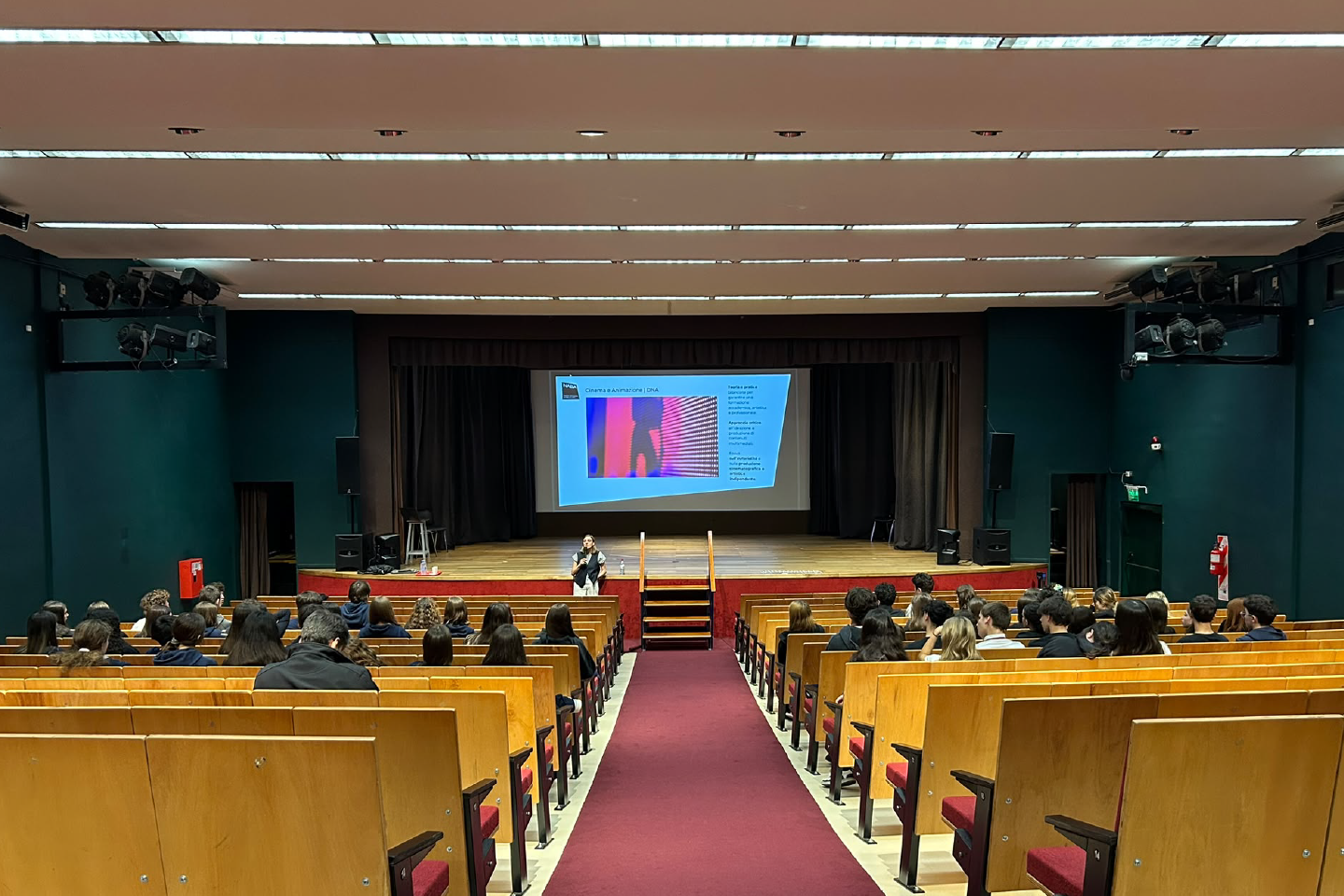
On Thursday, the final day of the tour, two morning masterclasses brought the visit to a close: first at Scuola Cristoforo Colombo, followed by Universidad Argentina de la Empresa (UADE). These final encounters offered students and communities engaged in audiovisual education another opportunity to connect with NABA’s approach before the tour came to an end.
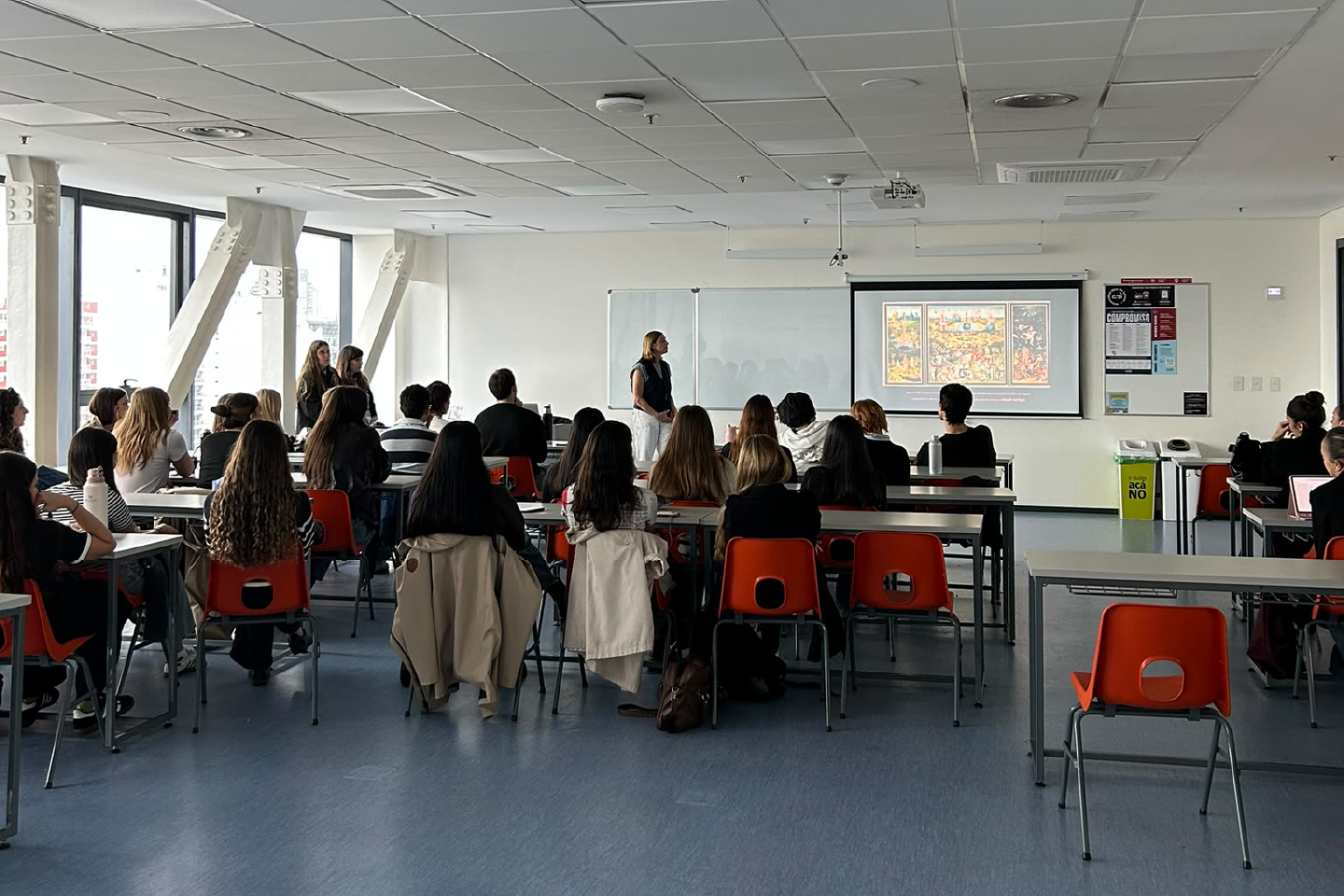
What remains after the final encounter
Museums, universities, bookstores, and independent creative spaces. Each stop had its own context, audience, and way of approaching the questions that ran throughout the tour. And that was precisely part of its value: bringing the same conversation into different spaces and discovering how it evolves when it meets new experiences.
NABA’s visit to Latin America offered new perspectives on cinema and animation, while creating opportunities for exchange among students, artists, professionals, and institutions across the region. These encounters make it possible to discover different ways of thinking and creating, and can become the starting point for new ideas and collaborations.
At FAD Connection, we believe in building bridges between international education and local creative scenes. Not simply to introduce institutions and academic programs, but to create experiences that broaden perspectives and connect people who share a curiosity for exploring new languages and possibilities.
Four days, three cities, and countless ways of seeing. The tour may be over, but the questions — thankfully — remain open.
For further information please contact FAD Connection ask@fadconnection.com