International Tutors Program 2026: The program begins in Maldonado with Francesca Giulia Tavanti
On Saturday, August 29, the International Tutors Program 2026 began in Maldonado, Uruguay. Developed by FAD Connection, the program brings together students and professionals from different creative fields with internationally renowned figures from the worlds of art, fashion and design.
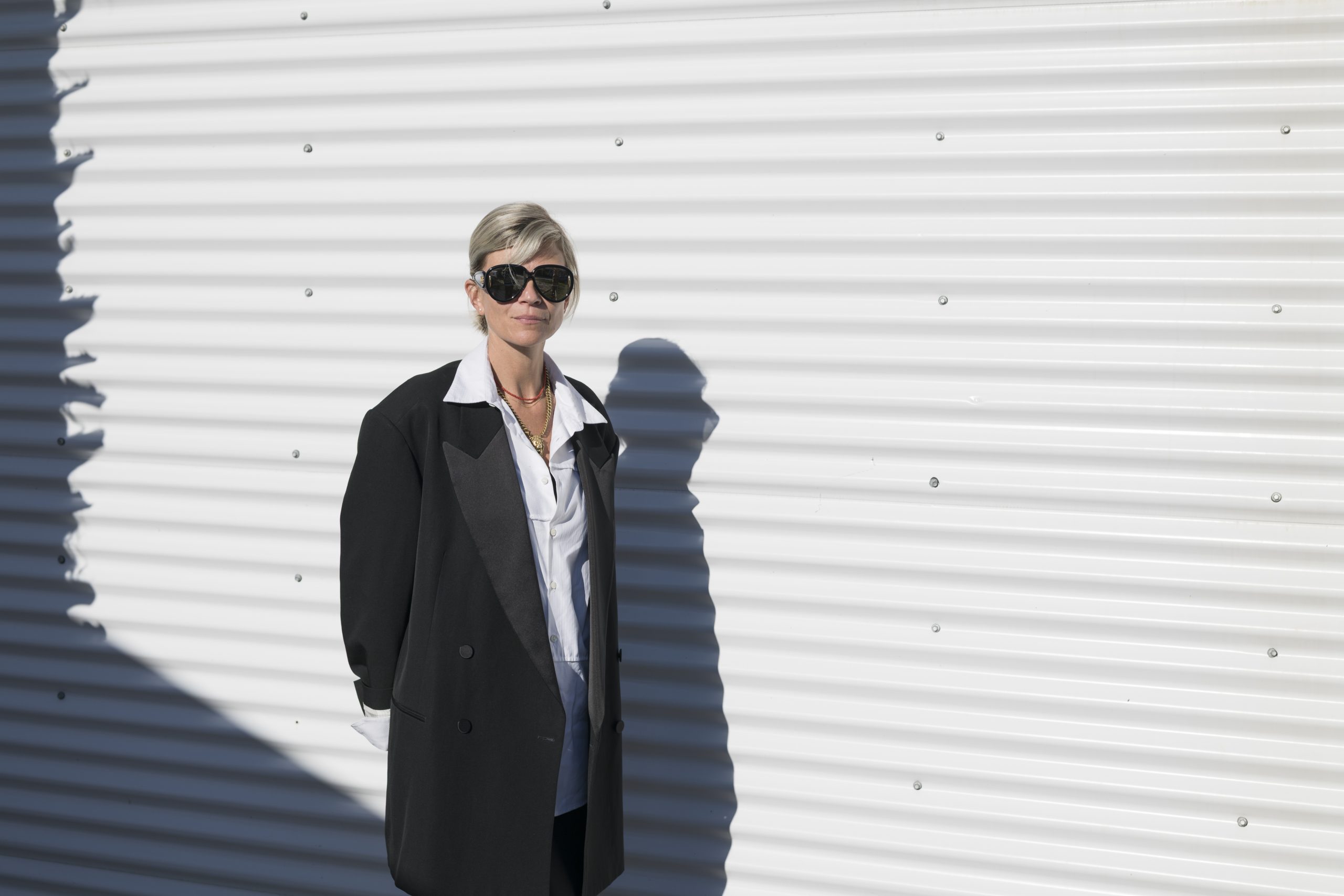
The first session featured Francesca Giulia Tavanti, art historian, curator and current Director of Education at Istituto Marangoni Firenze. The program opened with a masterclass at the Museo de Arte Contemporáneo Atchugarry (MACA) and continued in the afternoon with a hands-on workshop at Residencia El Pepe, in Santa Mónica.
Exploring the construction of narratives
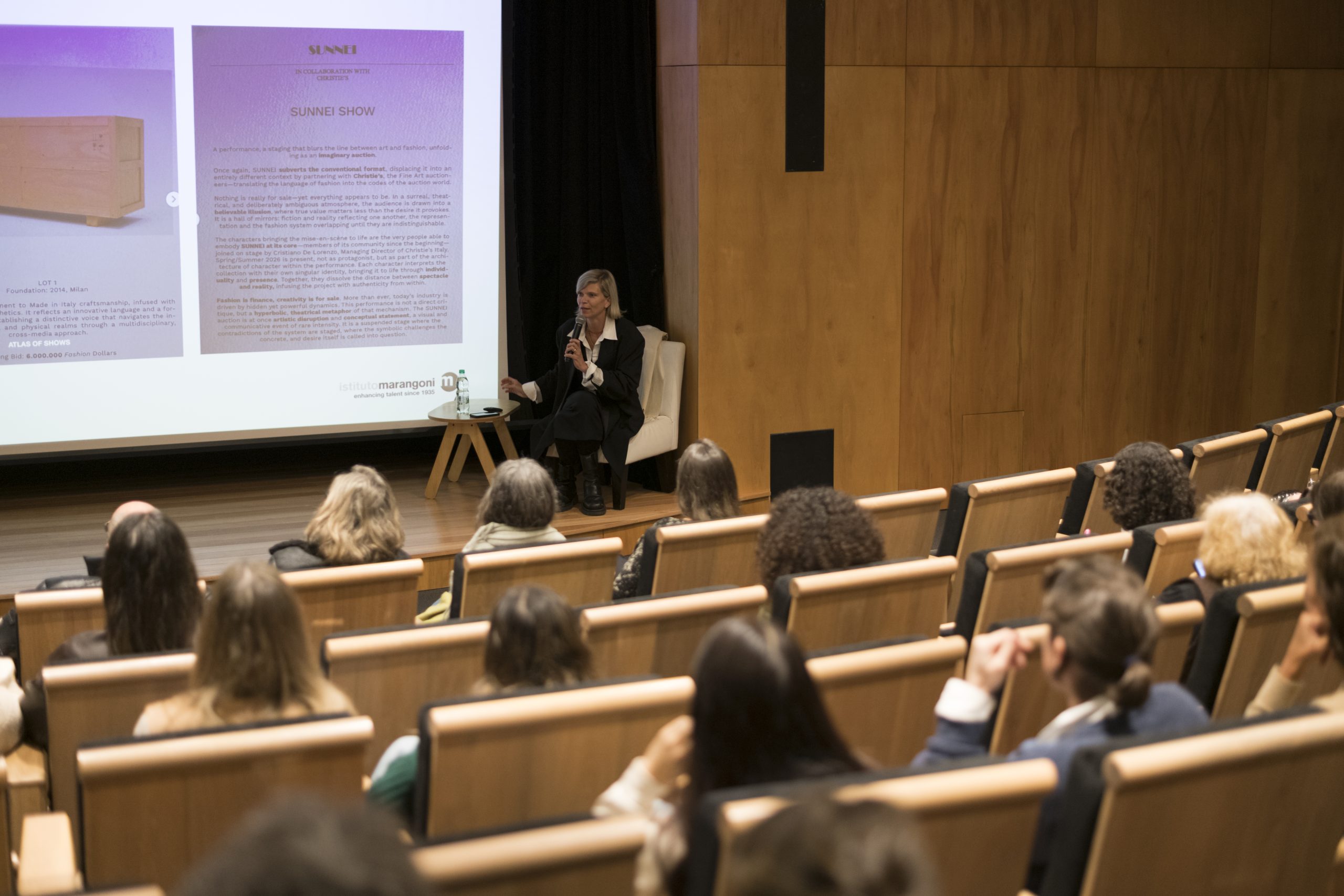
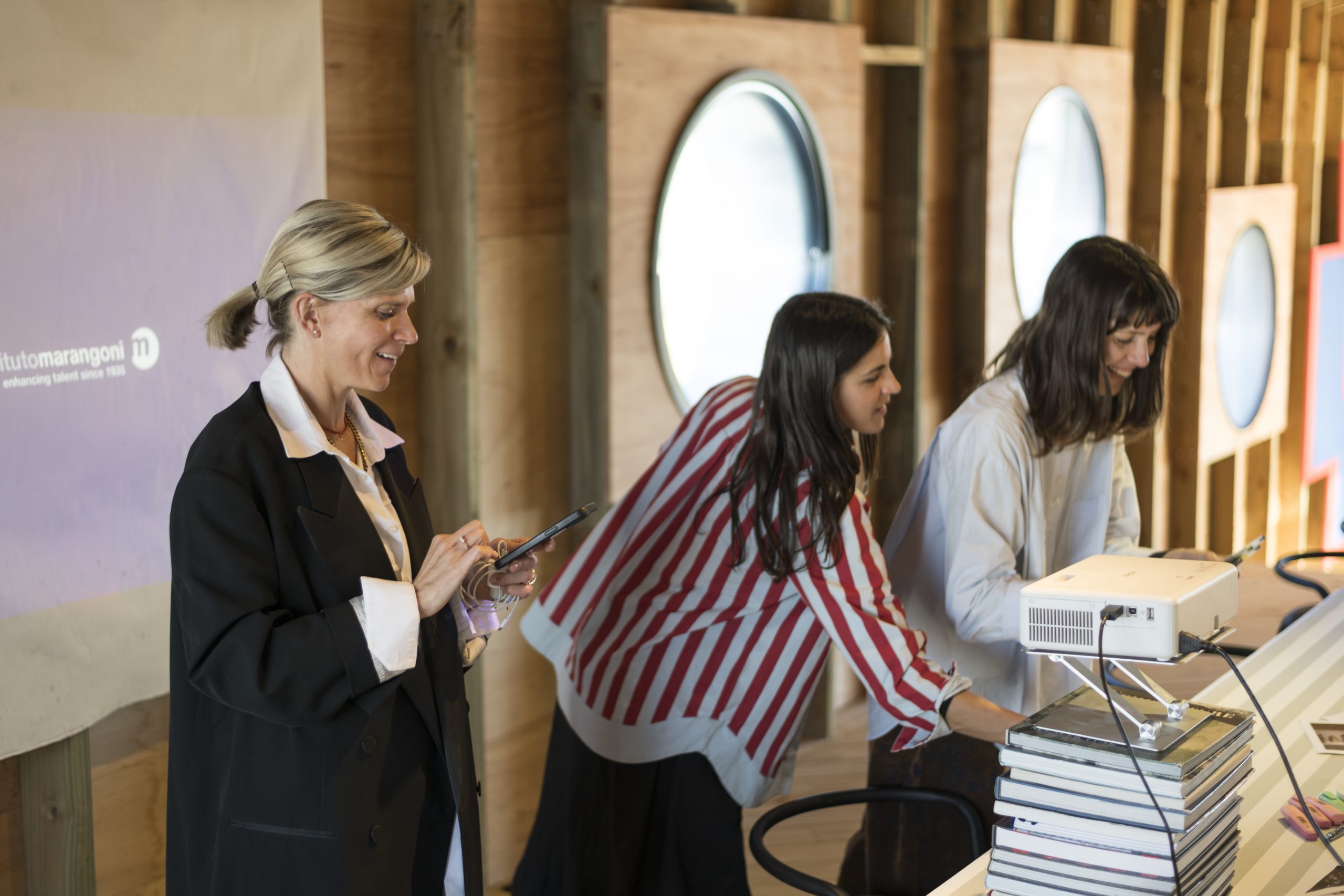
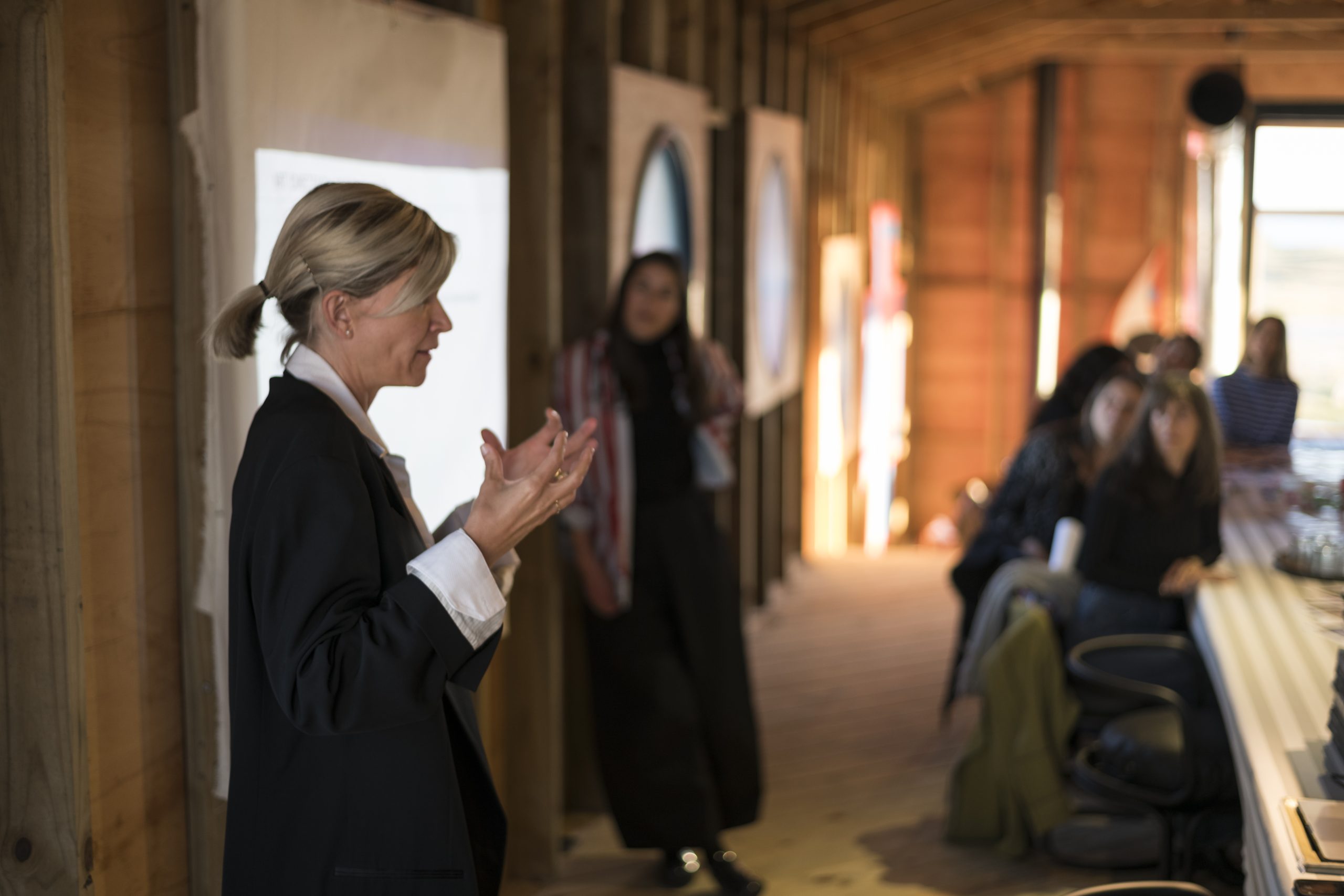
During the morning session at MACA, Tavanti presented the masterclass “Art Direction & Curating: Narratives Between Fashion and Contemporary Art,” exploring the history of art, fashion and curatorial practices as a way of understanding how narratives and experiences are constructed through images, objects and spaces.
The journey began in Florence, looking at the role of art and the patronage of the Medici family, and considering the city as a historical framework through which to read the present and imagine the future. Through a selection of images, Tavanti also explored the ways in which fashion can enter into dialogue with this history: fashion shows and advertising campaigns staged in historic locations, or in relation to artworks and sculptures, bring different periods and visual languages together to create new forms of imagery.
Another key theme was the “aesthetic economy” and the shift from an economy centered primarily on products and services towards one increasingly driven by experiences. Within this context, aesthetics and culture can also become tools for creating symbolic value. The example of Fondazione Prada offered a way to consider how a fashion brand can establish a cultural institution, and how this relationship can generate authority, relevance and lasting cultural presence beyond the product itself.
The relationship between curating and art direction was further explored through magazines and exhibitions. Tavanti focused particularly on publications from the 1990s and on magazines conceived almost as works of art, showing how images, text, spaces and aesthetic decisions can come together as part of a unified narrative.
From this perspective, every exhibition tells a story. The route through the space, the arrangement of its elements and the way the viewer’s attention is guided all contribute to transforming the exhibition space into a narrative environment.
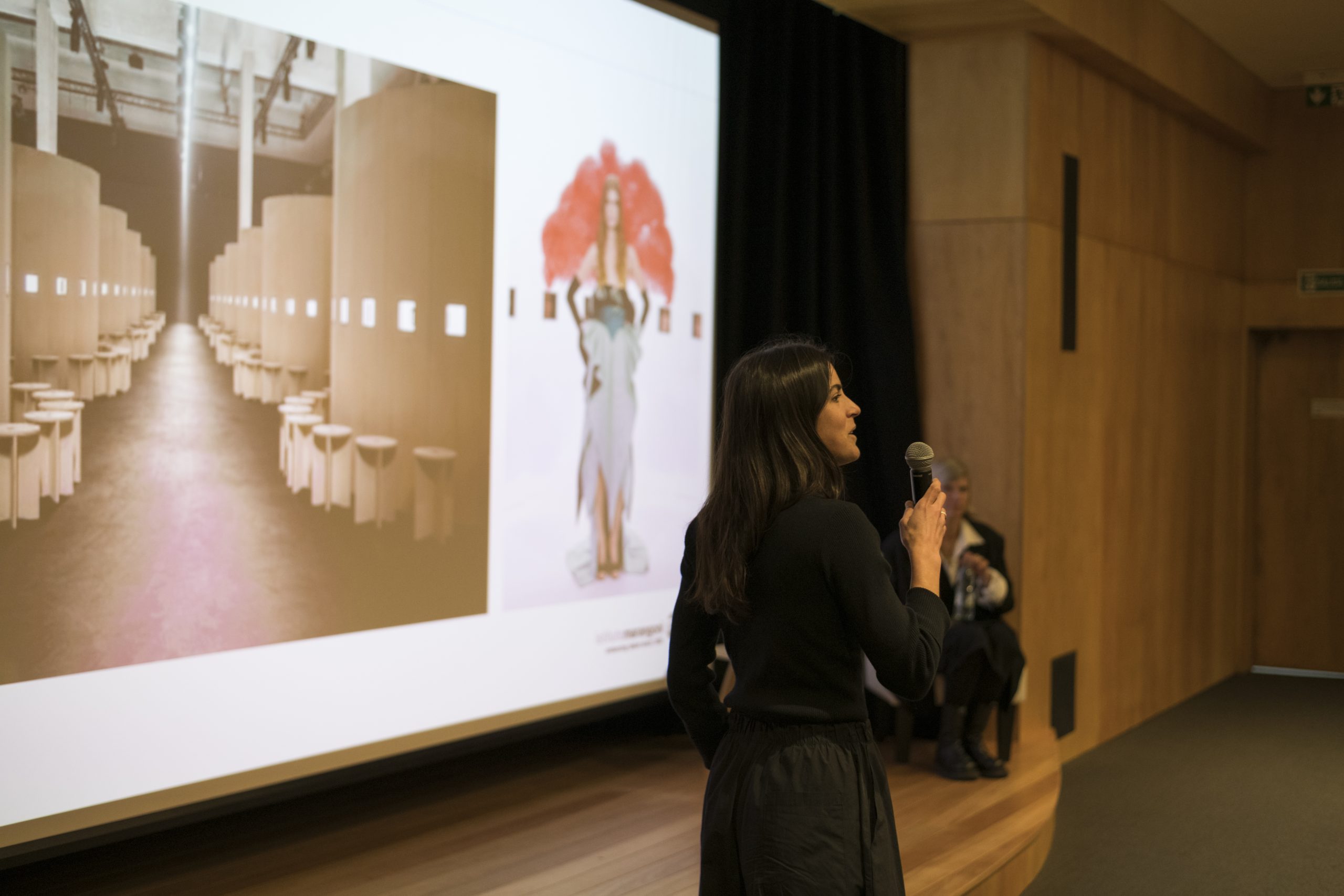
This idea was later applied to fashion shows, understood as exercises in world-building. Through different examples of runway shows, campaigns and installations, the session examined how fashion brands create settings and experiences that go beyond the presentation of a collection, establishing connections between fashion, art, architecture and design.
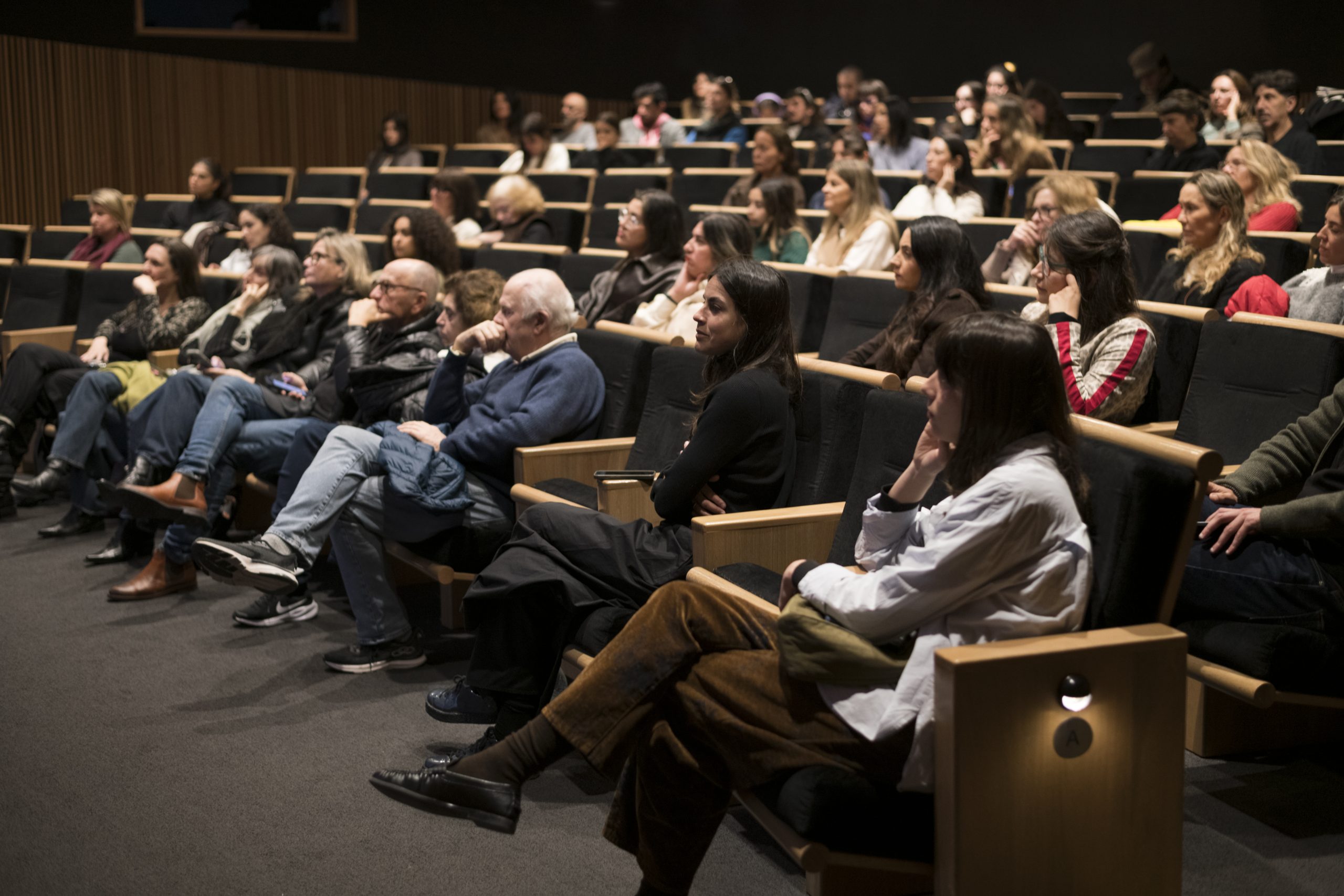
Towards the end of the masterclass, Tavanti opened a discussion around the professional opportunities that emerge at the intersection of art and fashion: from curating and art direction to exhibition design, creative production, visual research, and the management of museums, galleries and collections.
From ideas to practice
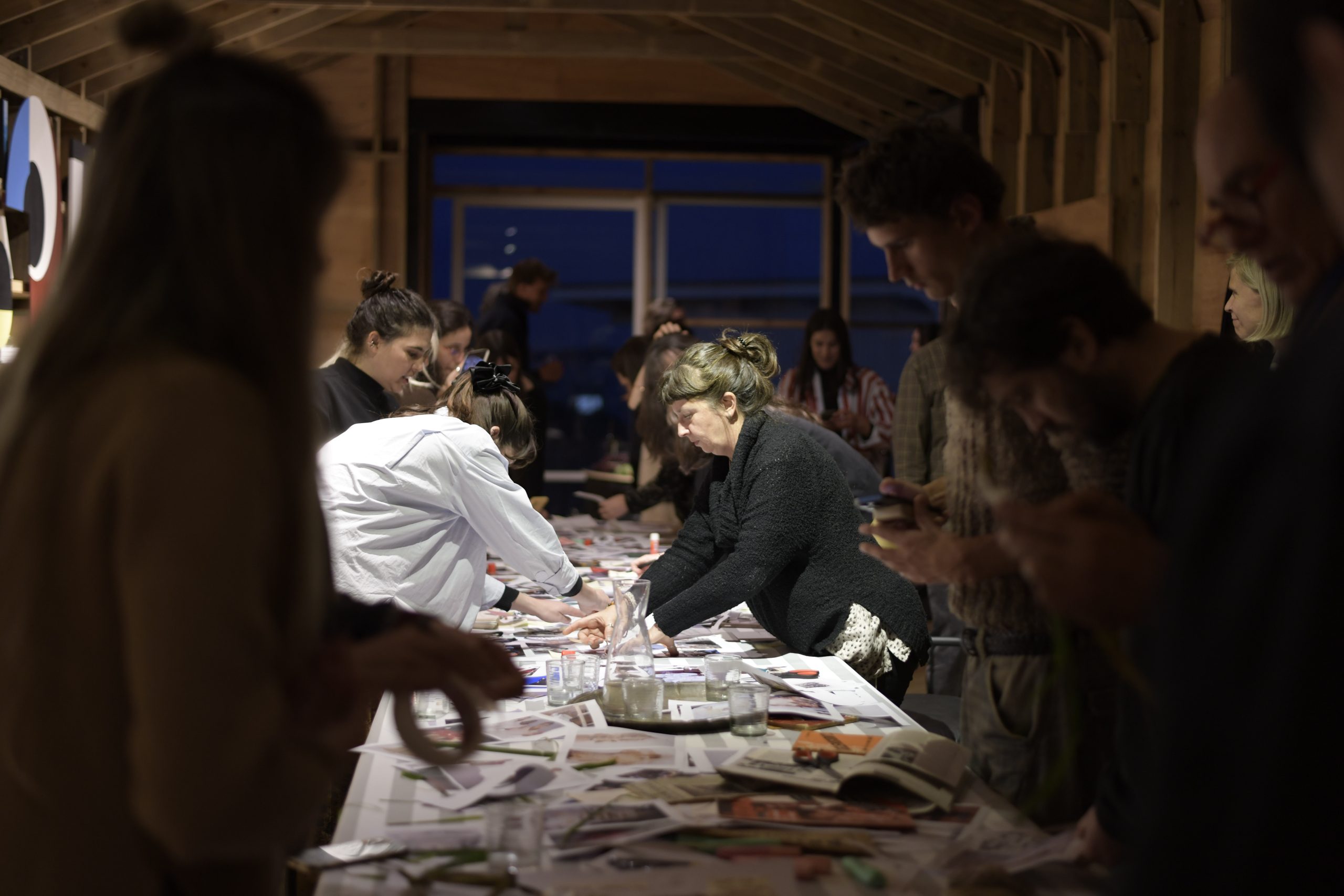
In the afternoon, the program continued at Residencia El Pepe in Santa Mónica with the workshop “Curating Fashion and Art Narratives: From Concept to Cultural Experience,” designed to translate some of the ideas discussed during the masterclass into a collaborative exercise.
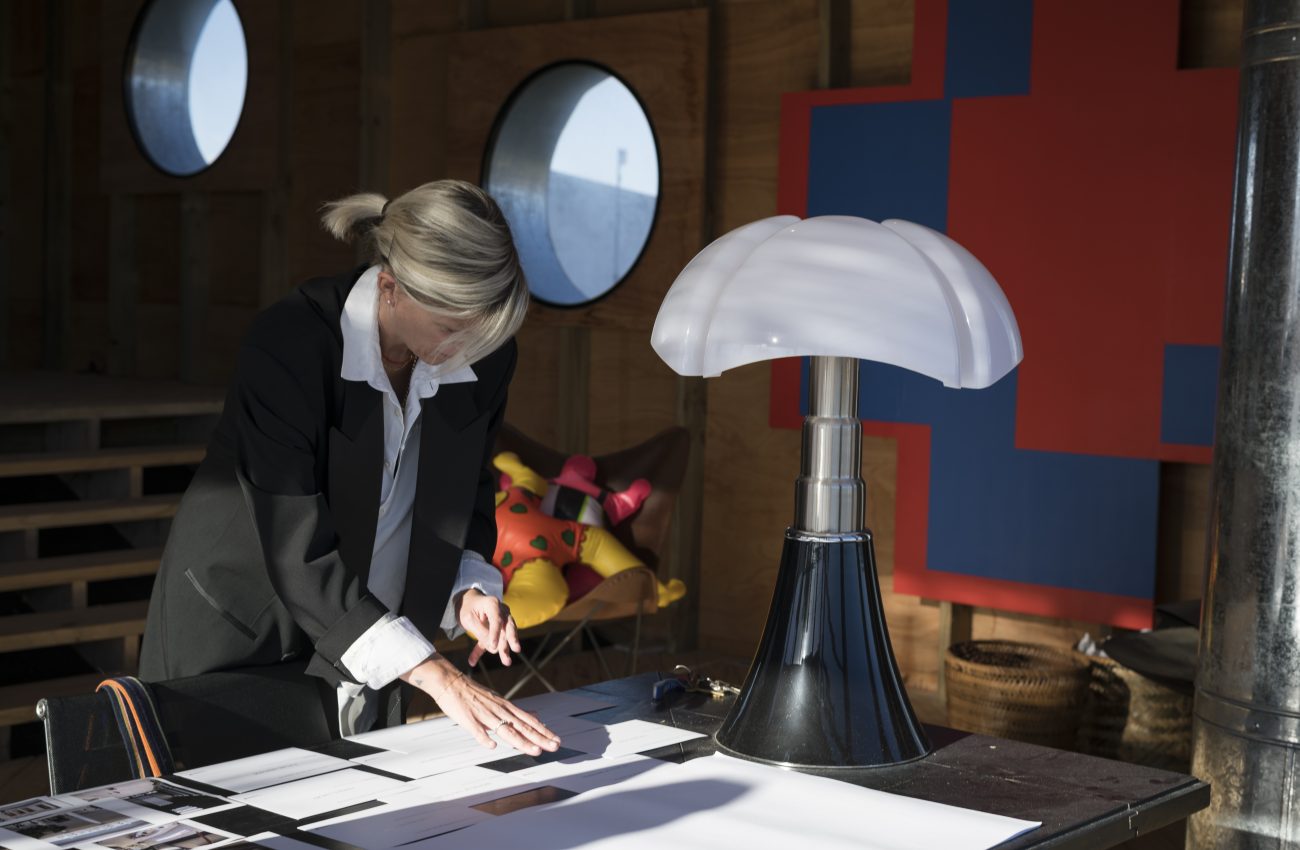
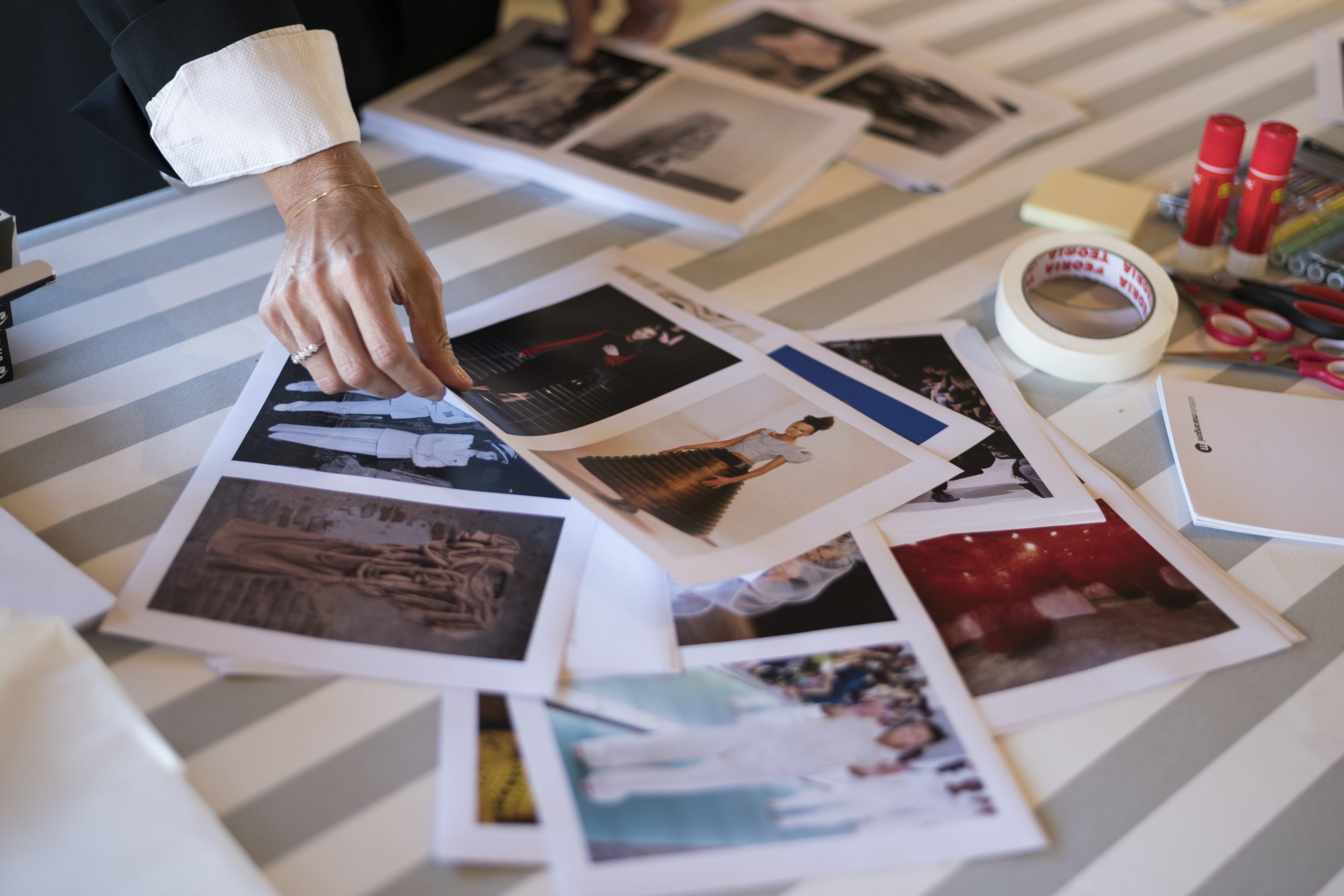
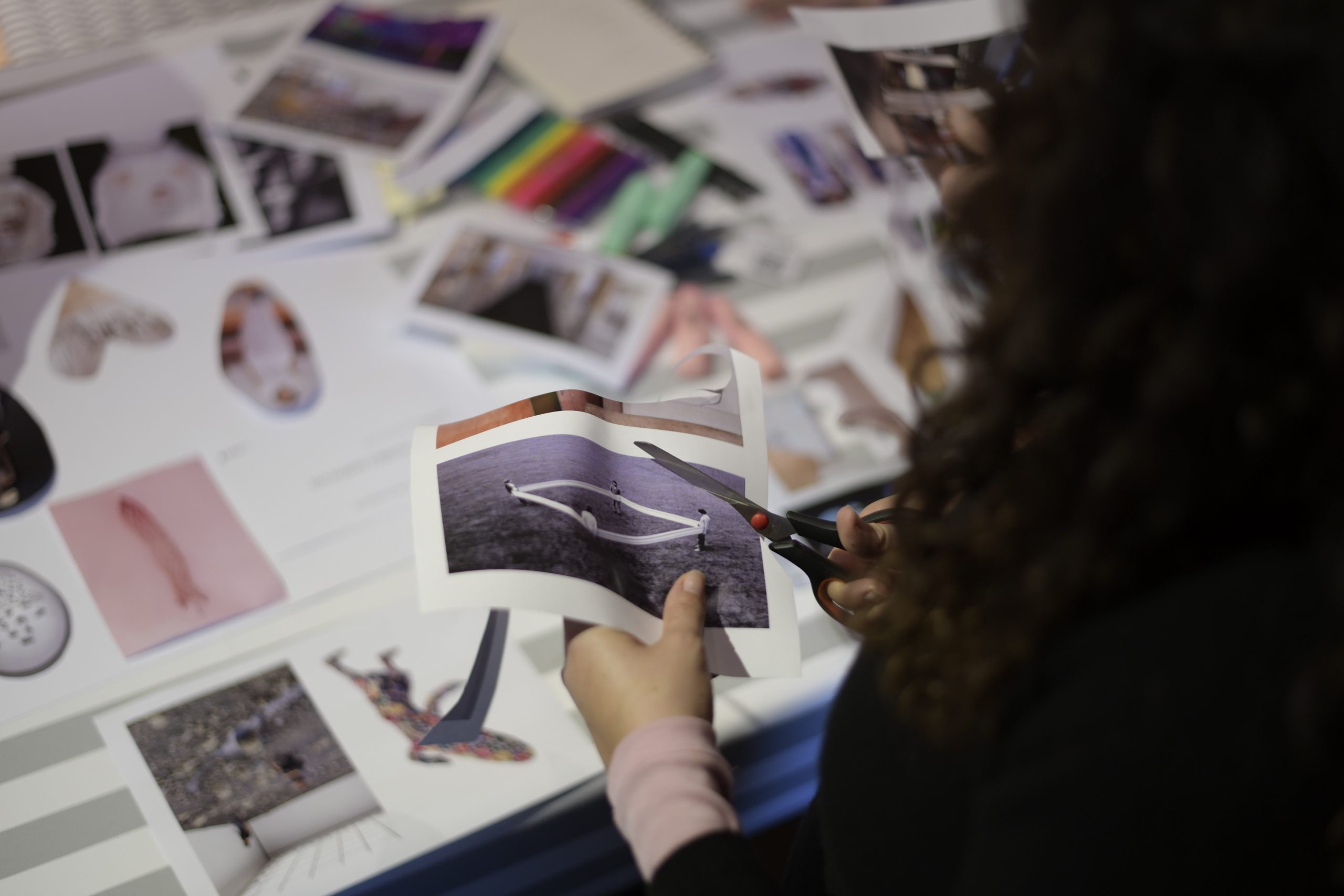
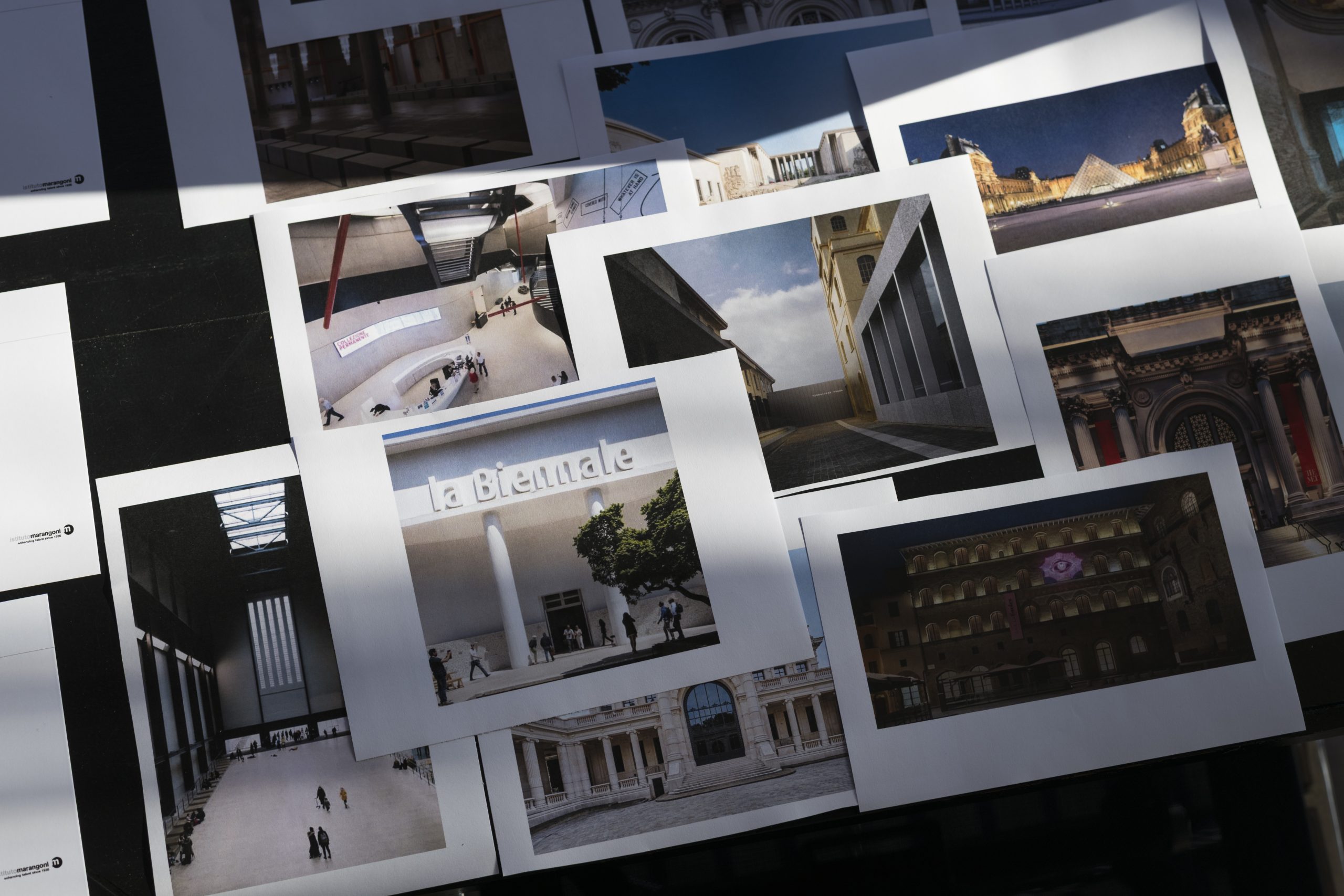
Images of different exhibition spaces—including museums, galleries, palaces and other places connected to art and culture—were arranged across a long table. Nearby, a series of phrases served as creative prompts, including concepts such as “radical craft practices,” “identity in transition,” “invisible narratives,” “the new body” and “future archive.”
These references were accompanied by a wide selection of images: fashion campaigns, garments, artworks, sculptures, photographs, installations, performances, materials and objects.
The challenge was to imagine an exhibition emerging from this universe of references, guided by one central question:
“What story about our present should survive into the future?”
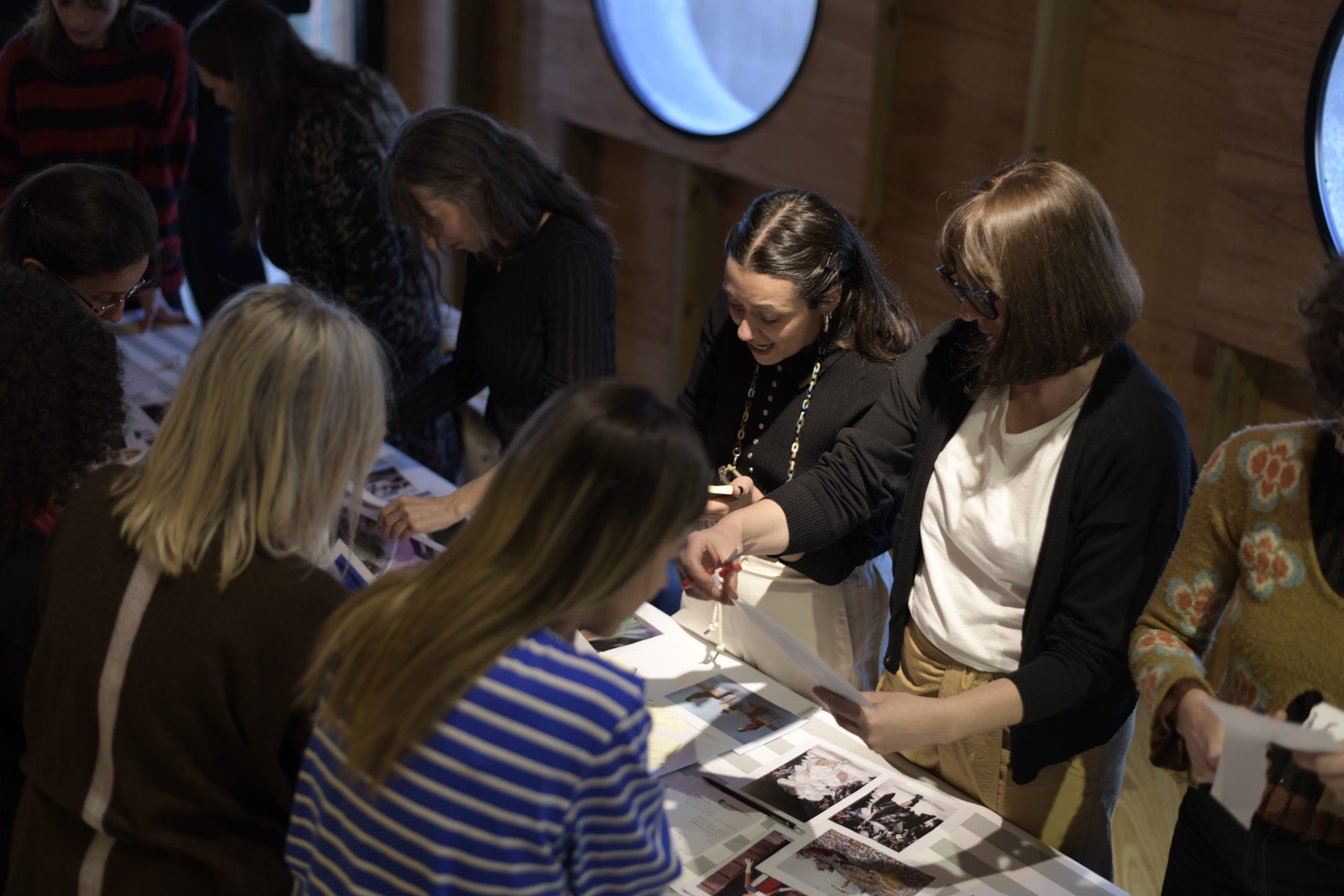
Working in groups, participants had to establish connections between the different images, discuss possible approaches, select the references they considered most relevant and develop an exhibition proposal. They were asked to define what they wanted to communicate, who the exhibition was intended for, where it would take place and how the audience would experience the space.
The exercise required participants to make—and, above all, justify—each decision: why one image belonged in dialogue with another, what relationships could be established between particular objects or spaces, and how these choices contributed to the construction of a broader narrative.
The workshop concluded with a short presentation by each group, allowing participants to share their proposals and explain the creative decisions behind them.
Among the themes that emerged throughout the discussion were artificial intelligence, craftsmanship, traditional trades and the relationship between heritage and contemporary culture. A strong focus was also placed on Latin America and its material and cultural heritage, exploring how these forms of knowledge and tradition might be revisited and reinterpreted through contemporary perspectives.
A first day of exchange
The opening session of the International Tutors Program 2026 created an opportunity to move from reflection to practice, bringing different approaches to art, fashion and visual culture into dialogue.
The exchange also raised broader questions about how cultural experiences are constructed, which stories deserve to be told, and how heritage and tradition can be approached from a contemporary perspective.
With this first session in Maldonado, the Uruguayan edition of the International Tutors Program 2026 officially began. Over the coming months, the program will continue with new masterclasses, workshops, portfolio reviews and conversations with international professionals and educators working across art, design and fashion.
For further information please contact FAD Connection ask@fadconnection.com